<?xml version="1.0" encoding="utf-8"?><feed xmlns="http://www.w3.org/2005/Atom" ><generator uri="https://jekyllrb.com/" version="4.4.1">Jekyll</generator><link href="https://ekstelu.info/feed.xml" rel="self" type="application/atom+xml" /><link href="https://ekstelu.info/" rel="alternate" type="text/html" /><updated>2025-02-13T21:35:21-08:00</updated><id>https://ekstelu.info/feed.xml</id><title type="html">ekstelu!</title><subtitle>Ekstelu! Legu kaj lernu Esperanton.</subtitle><author><name>Bruce THOMAS</name><email>bruce@ekstelu.info</email></author><entry xml:lang="en"><title type="html">Verdigris / Verdigro</title><link href="https://ekstelu.info/verdigris/" rel="alternate" type="text/html" title="Verdigris / Verdigro" /><published>2023-02-07T21:34:00-08:00</published><updated>2023-02-07T21:34:00-08:00</updated><id>https://ekstelu.info/verdigris</id><content type="html" xml:base="https://ekstelu.info/verdigris/"><![CDATA[<p>In 1969, <strong>If</strong> magazine published a short story by Kieth LAUMER called “Retief, the long-awaited master”. The setting for this world was the planet <em>Verdigris</em>. <sup id="fnref:1"><a href="#fn:1" class="footnote" rel="footnote" role="doc-noteref">1</a></sup></p>

<blockquote>
  <p>“They seem to have progressed from neon to nuclear annihilation in record time.” Second Secretary Retief commented. “But I think we have a good chance of bettering their track record.”</p>
</blockquote>

<div class="language-plaintext highlighter-rouge"><div class="highlight"><pre class="highlight"><code>En 1969, If-revuo publikigis novelon de Keith LAUMER 
nomitan "Retief, la long-atendita majstro". La scenaro 
por ĉi tiu mondo estis la planedo Verdigro.
</code></pre></div></div>

<blockquote>
  <p>“Ili ŝajnas esti progresinta de neono al nuklea <strong>neniigo</strong> en rekorda tempo.” Dua Sekretario Retief komentis. “Sed mi pensas, ke ni havas bonan ŝancon plibonigi ilian rekordon.”</p>
</blockquote>

<p>“neniigo” <sup id="fnref:4"><a href="#fn:4" class="footnote" rel="footnote" role="doc-noteref">2</a></sup></p>

<p />

<p><img src="/assets/laumer/Stropharia.aeruginosa.-.lindsey.jpg" alt="image info" /><br />
<a href="https://en.wikipedia.org/wiki/Stropharia_aeruginosa">Stropharia aeruginosa</a>, “verdigris agaric” (Wikipedia)</p>

<!--more-->

<h3 id="capitol--ĉefurbo">Capitol / Ĉefurbo</h3>

<p>Verdigris is “the green patina that forms on copper, brass and bronze”. (Wikipedia) <sup id="fnref:2"><a href="#fn:2" class="footnote" rel="footnote" role="doc-noteref">3</a></sup>. The author choose an apt name for this planet, to imply old and abandoned. This post will follow the story, and translate some quotes.</p>

<blockquote>
  <p>“Twenty thousand years ago,” said Cultural Attache Pennyfool, “this, unless I miss my guess, was the capital city of a thriving alien culture.”</p>
</blockquote>

<blockquote>
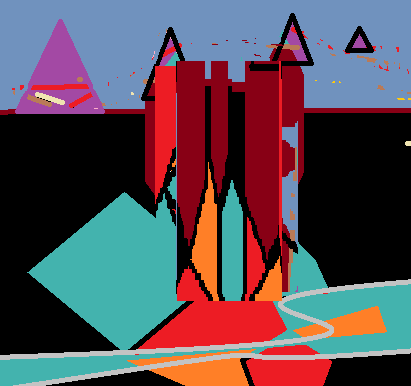
  <p>The half dozen Terrans…stood in the center of a narrow strip of turquoise colored <strong>sward</strong> that wound between weathered slabs of porous, orange masonry, rusting spires of twisted metal to which a few bits of colored tile still clung,…</p>
</blockquote>

<ul>
  <li>“sward” <sup id="fnref:5"><a href="#fn:5" class="footnote" rel="footnote" role="doc-noteref">4</a></sup></li>
</ul>

<p><img src="/assets/laumer/verdigris0.png" alt="sward" /></p>

<div class="language-plaintext highlighter-rouge"><div class="highlight"><pre class="highlight"><code>Verdigro estas "la verda patino kiu formiĝas 
sur kupro, latuno kaj bronzo". (Vikipedio). 
La aŭtoro elektis taŭgan nomon por ĉi tiu 
planedo, implici malnovan kaj forlasitan.
Ĉi tiu afiŝo sekvos la rakonton, kaj 
tradukos kelkajn citaĵojn.
</code></pre></div></div>
<ul>
  <li>“verdigro” <sup id="fnref:3"><a href="#fn:3" class="footnote" rel="footnote" role="doc-noteref">5</a></sup></li>
</ul>

<blockquote>
  <p>“Antaŭ dudek mil jaroj,” diris Kultura Ataŝeo Pencbufono, “ĉi tie, krom se mi maltrafas mian supozon, estis la ĉefurbo de prospera ekstertera kulturo.”</p>
</blockquote>

<blockquote>
  <p>La duondekduo da Teranoj… staris en la centro de mallarĝa strio de turkisa <strong>razeno</strong>, kiu serpentumis inter veteraĝiĝintaj slaboj el pora, oranĝa masonaĵo, rustiĝaj spajroj el tordita metalo, al kiuj ankoraŭ alkroĉiĝis kelkaj kaheleroj koloraj ,…</p>
</blockquote>

<ul>
  <li>“Pencbufono” <sup id="fnref:13"><a href="#fn:13" class="footnote" rel="footnote" role="doc-noteref">6</a></sup></li>
  <li>“razeno” <sup id="fnref:6"><a href="#fn:6" class="footnote" rel="footnote" role="doc-noteref">7</a></sup></li>
</ul>

<p>The Esperanto word “razeno” appears in an interesting essay about the banal culture and food exported by Americans to other countries.</p>

<div class="language-plaintext highlighter-rouge"><div class="highlight"><pre class="highlight"><code>Esperanto vorto “razeno” aperas en interesa eseo
pri la banala kulturo kaj manĝaĵo eksportita de 
Usono al aliaj landoj. 
</code></pre></div></div>

<h3 id="archaeology--arkeologio">Archaeology / Arkeologio</h3>

<p>Ironically it seems, the first place the inter-planetary visitors enter on the planet Vertigris, is a cafeteria mistakenly identified as an art museum by thier leader, an amateur archaeologist, the Cultural Attache Pennyfool.</p>

<blockquote>
  <p>“Eureka!” he cried, brushing dirt away from his find. “You see, gentlemen? I’ve already turned up a masterpiece…”</p>
</blockquote>

<blockquote>
  <p>“Look here, sir,” an eager information Agency man who had been poking at the find said, “I think there’s been an error. This place isn’t a museum, its a lunch counter. And the masterpiece is a plate of petrified mashed potatoes and mummified peas.”</p>
</blockquote>

<blockquote>
  <p>“By jove, I think you’ve got something there, <strong>Quagmire</strong>,” a portly Admin Officer said. “Looks just like the stuff they served at the Testimonial Dinner for Ambassador <strong>Clawhammer</strong> - “</p>
</blockquote>

<div class="language-plaintext highlighter-rouge"><div class="highlight"><pre class="highlight"><code>Ironie ŝajnas, ke la unua loko, kien la 
interplanedaj vizitantoj eniris sur 
la planedo Verdigro, estas kafejo erare 
identigita kiel artmuzeo de ilia gvidanto, 
amatora arkeologisto, la Kultura Ataŝeo 
Pencbufono.
</code></pre></div></div>

<blockquote>
  <p>“Eŭreka!” li kriis, forpuŝante polvon de sia trovaĵo. “Ĉu vi vidas, sinjoroj? Mi jam prezentis ĉefverkon…”</p>
</blockquote>

<blockquote>
  <p>“Rigardu ĉi tien, sinjoro,” fervora Informa-Agentejulo, kiu pikis la trovon, diris, “Mi pensas, ke okazis eraro. Ĉi tiu loko ne estas muzeo, ĝi estas tagmanĝej-vendtablo. Kaj la ĉefverko estas telero da ŝtoniĝintaj terpomoj kaj mumiigitaj pizoj.”</p>
</blockquote>

<blockquote>
  <p>“Je jove, mi pensas, ke vi havas ion tie, <strong>Koŝmaro</strong>,” diris korpa Administra Oficiro. “Ŝajnas same kiel la aĵoj, kiujn ili servis ĉe la Atesta Vespermanĝo por Ambasadoro <strong>Martelegungo</strong> -“</p>
</blockquote>

<ul>
  <li>Quagmire -&gt; Koŝmaro (nightmare) <sup id="fnref:11"><a href="#fn:11" class="footnote" rel="footnote" role="doc-noteref">8</a></sup></li>
  <li>Martel’eg’ung’o <sup id="fnref:7"><a href="#fn:7" class="footnote" rel="footnote" role="doc-noteref">9</a></sup></li>
</ul>

<h3 id="foreshadowing--antaŭsignante">Foreshadowing? / Antaŭsignante?</h3>

<p>The planet Verdigris had seemed lifeless upon discovery.</p>

<blockquote>
  <p>“Imagine,” Consul Magnan said…when we were still living in caves, these creatures had already developed automats and traffic jams.”</p>
</blockquote>

<blockquote>
  <p>“…now they’re utterly extinct. The survey’s life detectors didn’t so much as quiver.”</p>
</blockquote>

<blockquote>
  <p>“If they’ve been dead for twenty thousand years, what’s the point in digging around in their garbage dumps?” an assistant Military Attache inquired <strong>sotto voce</strong>. “I say Corps funds would be better spent… keeping an eye on the <strong>Groaci</strong>.”</p>
</blockquote>

<ul>
  <li>sotto voce <sup id="fnref:8"><a href="#fn:8" class="footnote" rel="footnote" role="doc-noteref">10</a></sup></li>
  <li>“Groaci” <sup id="fnref:9"><a href="#fn:9" class="footnote" rel="footnote" role="doc-noteref">11</a></sup></li>
</ul>

<blockquote>
  <p>“Tsk, Major,” Magnan said. “Such comments merely serve to reinforce the popular stereotype of the crassness of the military mind.”</p>
</blockquote>

<blockquote>
  <p>“What’s so crass about <strong>keeping abreast</strong> of the opposition?” the officer protested.</p>
</blockquote>

<ul>
  <li>keeping abreast <sup id="fnref:10"><a href="#fn:10" class="footnote" rel="footnote" role="doc-noteref">12</a></sup></li>
</ul>

<div class="language-plaintext highlighter-rouge"><div class="highlight"><pre class="highlight"><code>La planedo Verdrigo ŝajnis senviva post malkovro.
</code></pre></div></div>

<blockquote>
  <p>“Imagu,” diris Konsulo Magnan… kiam ni ankoraŭ vivis en kavernoj, ĉi tiuj estaĵoj jam evoluigis aŭtomojn kaj trafikŝtopiĝon.”</p>
</blockquote>

<blockquote>
  <p>“…nun ili estas tute formortintaj. La vivdetektiloj de la enketo ne tiom tremis.”</p>
</blockquote>

<blockquote>
  <p>“Se ili estas mortita dum dudek mil jaroj, kia estas la signifo fosi en siaj rubejoj?” flustre demandis asistanto de Milita Adjunkto. “Mi diras, ke la Korpo-financoj estus pli bone elspezitaj… observante la <strong>Groaci</strong>.”</p>
</blockquote>

<blockquote>
  <p>“Tsk, majoro,” diris Magnan. “Tiaj komentoj nur servas por plifortigi la popularan stereotipon de la krudeco de la armea menso.”</p>
</blockquote>

<blockquote>
  <p>“Kio estas tiel malĝentila gvatante la opozicion?” la oficiro protestis.</p>
</blockquote>

<h3 id="not-alone--ne-sola">Not alone / Ne sola</h3>

<p>Pennyfool leads his staff into an adjoining room.</p>

<blockquote>
  <p>His staff followed him past the edge of a metal door standing half open, into a dark chamber. The next moment, pale yellowish light flooded the room.</p>
</blockquote>

<blockquote>
  <p>“To stop where you are!” A weak voice hissed the words in a breathy alien tongue from behind the delegafion. “To raise your digital members above your cephalic nodules or to be incinerated on the spot!”</p>
</blockquote>

<blockquote>
  <p>“What’s this?” Pennyfool’s voice cracked on the words. “Groaci? Here?”</p>
</blockquote>

<blockquote>
  <p>“Indeed, Soft One,” the alien confirmed. “To comply at once with my instructions or to add your osseous components to those already interred here!”</p>
</blockquote>

<div class="language-plaintext highlighter-rouge"><div class="highlight"><pre class="highlight"><code>Pencbufono gvidas sian personaron en apudan ĉambron.
</code></pre></div></div>

<blockquote>
  <p>Lia personaro sekvis lin preter la rando de metala pordo staranta duone malfermita, en malluman ĉambron. La sekvan momenton, pala flaveca lumo inundis la ĉambron.</p>
</blockquote>

<blockquote>
  <p>“Por halti kie vi estas!” Malforta voĉo siblis la vortojn per spira fremda lango el malantaŭ la delegacio. “Por levi viajn ciferecajn membrojn super viaj cefalaj nodoj aŭ esti forbruligitaj surloke!”</p>
</blockquote>

<blockquote>
  <p>“Kio estas tio?” La voĉo de Pencbufono krakis sur la vortoj. “Groaci? Ĉi tie?”</p>
</blockquote>

<blockquote>
  <p>“Efektive, Molulo,” la eksterterano konfirmis. “Por tuj plenumi miajn instrukciojn aŭ aldoni viajn ostajn komponantojn al tiuj jam enterigitaj ĉi tie!”</p>
</blockquote>

<h3 id="colleagues--kolegoj">Colleagues? / Kolegoj?</h3>

<p>Pennyfool wants to know how the Groaci found Verdigris.</p>

<blockquote>
  <p>“Verdigris was supposed to be the best-kept secret of the year,” Pennyfool muttered brokenly to Magnan. “Who would have dreamed the
Groaci would be here ahead of us?”</p>
</blockquote>

<p>Magnan admits that he revealed the secret about the planet to a few colleagues.</p>

<blockquote>
  <p>“Colleagues?” Pennyfool raised a pale eyebrow.</p>
</blockquote>

<blockquote>
  <p>“Fellow diplomats; high-type chaps like Ambassador P’Yim-Yim of YiII and Slunk the Fustian Minister, and … and … “</p>
</blockquote>

<blockquote>
  <p>“‘And?” Pennyfool prompted.</p>
</blockquote>

<blockquote>
  <p>“And Consul-General Shilth,” Magnan finished weakly.</p>
</blockquote>

<blockquote>
  <p>“Planetary Director Shilth, if you don’t mind,” a voice susurrated
from the doorway. “…I see nothing in these rubble-heaps to excite CDT interest.”</p>
</blockquote>

<ul>
  <li>CDT <sup id="fnref:12"><a href="#fn:12" class="footnote" rel="footnote" role="doc-noteref">13</a></sup></li>
</ul>

<div class="language-plaintext highlighter-rouge"><div class="highlight"><pre class="highlight"><code>Pencbufono volas scii kiel la Groaci trovis Verdrigo.
</code></pre></div></div>

<blockquote>
  <p>“Verdrigo laŭsupoze estis la plej bone konservita sekreto de la jaro,” Pencbufono murmuris rompite al Magnan. “Kiu eblus sonĝi, ke la Groaci estos ĉi tie antaŭ ni?”</p>
</blockquote>

<div class="language-plaintext highlighter-rouge"><div class="highlight"><pre class="highlight"><code>Magnan koncedas ke li rivelis la sekreton 
pri la planedo al kelkaj kolegoj.
</code></pre></div></div>

<blockquote>
  <p>“Kolegoj?” Pencbufono levis palan brovon.</p>
</blockquote>

<blockquote>
  <p>“Kolegaj diplomatoj; alttipaj uloj kiel Ambasadoro P’Yim-Yim de YiII kaj Slunk la Fustian Ministro, kaj … kaj … “</p>
</blockquote>

<blockquote>
  <p>“Kaj?” Pencbufono instigis.</p>
</blockquote>

<blockquote>
  <p>“Kaj Ĝenerala Konsulo Shilth,” Magnan finis malforte.</p>
</blockquote>

<blockquote>
  <p>“Planeda Direktoro Shilth, se vi ne ĝenas,” voĉo flustris de la pordo. “…Mi vidas nenion en ĉi tiuj rubamasoj por eksciti CDT-intereson.”</p>
</blockquote>

<h3 id="idols--idoloj">Idols / Idoloj</h3>

<p>After the other humans leave the planet, Retief and Magnan escape the Groaci and find a basement floor filled with robots.</p>

<blockquote>
  <p>Retief sniffed. “It smells like drained crankcase oil.”</p>
</blockquote>

<blockquote>
  <p>They…came into a wide room crowded with massive, complex shapes of corroded metal, ranked in rows in the deep gloom.</p>
</blockquote>

<blockquote>
  <p>“And these are the alien idols,” Magnan whispered. “Gad, they have
a look of the most frightful ferocity about them.”</p>
</blockquote>

<blockquote>
  <p>There was a sharp click!, a whirring and clattering, …turned, creaking, …with a pair of what were indisputably glowing amber eyes.</p>
</blockquote>

<div class="language-plaintext highlighter-rouge"><div class="highlight"><pre class="highlight"><code>Post kiam la aliaj homoj forlasas la planedon, 
Retief kaj Magnan evitas la Groaci kaj trovas 
kelplankon plenigitan kun robotoj.
</code></pre></div></div>

<blockquote>
  <p>Retief flaris. “Ĝi odoras kiel drenita krankuja oleo.”</p>
</blockquote>

<blockquote>
  <p>Ili…venis en larĝan ĉambron plenplenan de masivaj, kompleksaj formoj de korodita metalo, vicigitaj en la profunda mallumo.</p>
</blockquote>

<blockquote>
  <p>“Kaj ĉi tiuj estas la fremdaj idoloj,” flustris Magnan. “Vaĉjo, ili havas la plej teruran kruelecon ĉe si.”</p>
</blockquote>

<blockquote>
  <p>Estis akra klako!, zumado kaj klakado, …turnis, knari, …kun paro de tio, kio estis nedisputeble brilantaj sukcenaj okuloj.</p>
</blockquote>

<h3 id="orders--ordonoj">Orders / Ordonoj</h3>

<p>After a series of events, Retief and Magnan save one of the robots. After this, the robots are willing to help the humans, and Magnan gives them a command they immediately follow.</p>

<blockquote>
  <p>I want all of you to ascend to the surface at once, round up and disarm every Groaci on the planet, and lock them up.</p>
</blockquote>

<div class="language-plaintext highlighter-rouge"><div class="highlight"><pre class="highlight"><code>Post serio de okazaĵoj, Retief kaj Magnan 
savas unu el la robotoj. Post tio, la robotoj 
volas helpi al la homoj, kaj Magnan donas 
al ili komandon kiun ili tuj sekvas.
</code></pre></div></div>

<blockquote>
  <p>Mi volas, ke vi ĉiuj supreniru sur la surfacon tuj, ĉirkaŭumu kaj senarmigu ĉiun Groaci sur la planedo, kaj enŝlosu ilin.</p>
</blockquote>

<h3 id="credentials--akreditaĵoj">Credentials / Akreditaĵoj</h3>

<p>Ambassador Pennyfool returns, and after a lot of confusion and misunderstanding, begans his new role as Terran Ambassador Extraordinary and Minister Plenipotentiary to Verdigris.</p>

<blockquote>
  <p>It’s a bit unusual,” Ambassador Pennyfool said complacently, glancing out the window…</p>
</blockquote>

<blockquote>
  <p>“Gracious, yes,” Counsellor Magnan said, nodding. “The first Terran envoy to present credentials to a mechanical Head of State.</p>
</blockquote>

<blockquote>
  <p>“I don’t know,” the Military Attache said darkly. “Freeing these inanimate objects…may create a dangerous precedent …if my cybernetic military equipment …start getting ideas about pensions and promotions”</p>
</blockquote>

<blockquote>
  <p>“And office machines,” the Budget and Fiscal Officer said… “If my bookkeeping computers …start agitating for civil rights…”</p>
</blockquote>

<blockquote>
  <p>” …my Motor Pool picking up liberal ideas,” the Admin Officer wagged his head …“I’ve had to enact strict rules against fraternization.”</p>
</blockquote>

<div class="language-plaintext highlighter-rouge"><div class="highlight"><pre class="highlight"><code>Ambasadoro Pencbufono revenas, kaj post multe 
da konfuzo kaj miskompreno, komencis sian 
novan rolon kiel Tera Ambasadoro Eksterordinara 
kaj Ministro Plenrajta al Verdigris.
</code></pre></div></div>

<blockquote>
  <p>Ĝi estas iom nekutima,” diris ambasadoro Pencbufono memkontente, rigardante tra la fenestro…</p>
</blockquote>

<blockquote>
  <p>“Kompate, jes,” diris Konsilisto Magnan, kapjesante. “La unua Tera sendito prezentanta akreditaĵojn al mekanika Ŝtatestro.</p>
</blockquote>

<blockquote>
  <p>“Mi ne scias,” diris la Militisto malhele. “Liberigi ĉi tiujn senvivajn objektojn… eble kreos danĝeran precedencon… se mia cibernetika milita ekipaĵo… komencos ricevi ideojn pri pensioj kaj promocioj”</p>
</blockquote>

<blockquote>
  <p>“Kaj oficejaj maŝinoj,” diris la Buĝeto kaj Fiska Oficiro… “Se miaj librotenaj komputiloj…komencos agiti por civitanrajtoj…”</p>
</blockquote>

<blockquote>
  <p>“…mia Motor Pool reprenis liberalajn ideojn,” la Administra Oficiro skuis la kapon … “Mi devis realigi striktajn regulojn kontraŭ frateco.”</p>
</blockquote>

<h3 id="referencoj--references">referencoj / references</h3>

<div class="footnotes" role="doc-endnotes">
  <ol>
    <li id="fn:1">
      <p>LAUMER, Keith. “Retief, the Long-Awaited Master”, <strong>If</strong>, April 1969, p. 127. (elŝuteble) <a href="/assets/laumer/1969-04_IF.pdf">Download here</a>. <a href="/personoj/jame-retief">More posts about Retief (pli afiŝoj pri “Retief”)</a> <a href="#fnref:1" class="reversefootnote" role="doc-backlink">&#8617;</a></p>
    </li>
    <li id="fn:4">
      <p>“neniigo”: Zamenhof atentigas (points out)</p>
      <blockquote>
        <p>“ĉar la vortoj «neniigi» kaj «neniiĝi» estas jam de longa tempo tre bone konataj kaj uzataj de ĉiuj Esperantistoj, tial mi opinias, ke malpermesi la uzadon de tiu ĉi formo estus tute senbezone”</p>
      </blockquote>

      <blockquote>
        <p>“because the words «neniigi» and «neniiĝi» (annihilate) have been very well known and used by all Esperantists for a long time, that’s why I think that banning the use of this form would be completely unnecessary”</p>
      </blockquote>

      <p>Lingvaj Respondoj, Zamenhof, 1889-1913.   <br />
<a href="http://www.simplavortaro.org/vorto/neniigi">La Simpla Vortaro</a>,
 <a href="https://tekstaro.com/?s=63de1aa082e77">Tekstaro.com</a> <a href="#fnref:4" class="reversefootnote" role="doc-backlink">&#8617;</a></p>
    </li>
    <li id="fn:2">
      <p><a href="https://en.wikipedia.org/wiki/Verdigris">Verdigris</a> in English. <a href="#fnref:2" class="reversefootnote" role="doc-backlink">&#8617;</a></p>
    </li>
    <li id="fn:5">
      <p><a href="https://en.wiktionary.org/wiki/sward">sward</a> (en) -&gt; gazono, razeno (eo) <a href="#fnref:5" class="reversefootnote" role="doc-backlink">&#8617;</a></p>
    </li>
    <li id="fn:3">
      <p><a href="https://eo.wikipedia.org/wiki/Verdigro">Verdigro</a> Esperanto <a href="#fnref:3" class="reversefootnote" role="doc-backlink">&#8617;</a></p>
    </li>
    <li id="fn:13">
      <p>Penc’bufon’o, ne Penc’bu’fon’o. “Penny-fool” <a href="http://www.simplavortaro.org/ser%c4%89o?s=pencbufono">SimplaVortaro</a>. <a href="#fnref:13" class="reversefootnote" role="doc-backlink">&#8617;</a></p>
    </li>
    <li id="fn:6">
      <p><em>“kuniĝas en parkoj, sur razenoj”</em> el la eseo (from the essay) <strong>Irlando</strong>, de (by) Garbhan Macaoidh. Artikoloj el Monato (1997-2003), el (from) <a href="https://tekstaro.com/t?nomo=artikoloj-el-monato&amp;uzistreketojn=0&amp;tipo=&amp;sekcio=monatotri-007076&amp;antauasekcio=1&amp;postasekcio=1&amp;id=c6591&amp;ignorifremdajhojn=0&amp;uskle=1&amp;serchesprimo=razeno#c6591">Tekstaro</a>,  Kaj (Also) <a href="https://www.reta-vortaro.de/revo/dlg/index-2f.html#razen.0o">Reta-Vortaro</a>, kaj (and) <a href="http://www.simplavortaro.org/vorto/razeno">La Simpla Vortaro</a>.</p>

      <blockquote>
        <p>Ĉie, amasoj da infanoj kaj junuloj – tiuj, kiuj ne jam sidas manĝante en la rapidmanĝejoj aŭ krakmaĉante usonan krevmaizon en kinejoj ekskluzive prezentantaj usonajn filmojn – kuniĝas en parkoj, sur razenoj kaj ĉe stratanguloj. Ili portas bazopilkajn ĉapojn kaj blankajn palmopied-similajn tolŝuojn… Ilia parolado estas miksaĵo de loka dialekto kaj usonangla slango.</p>
      </blockquote>

      <blockquote>
        <p>Everywhere, crowds of children and young people - those who are not already sitting eating in fast food restaurants or munching on American popcorn in cinemas exclusively showing American films - are gathering in parks, on lawns and on street corners. They wear baseball caps and white palmiped-like canvas shoes… Their speech is a mixture of local dialect and American-English slang.</p>
      </blockquote>

      <ul>
        <li>palmiped <a href="http://www.simplavortaro.org/vorto/palmopieda">http://www.simplavortaro.org/vorto/palmopieda</a></li>
      </ul>
      <p><a href="#fnref:6" class="reversefootnote" role="doc-backlink">&#8617;</a></p>
    </li>
    <li id="fn:11">
      <p>Koŝmaro (nightmare), son-simile (sound-alike): “Quagmire” – ˈkwaɡˌmī(ə)r. <a href="#fnref:11" class="reversefootnote" role="doc-backlink">&#8617;</a></p>
    </li>
    <li id="fn:7">
      <p>Martelegungo == martel’eg’ung’o, “Clawhammer”, or a big hammer-like claw. (granda martelo kiel ungego). <a href="http://www.simplavortaro.org/ser%C4%89o?s=martelegungo">SimplaVortaro</a>. <a href="#fnref:7" class="reversefootnote" role="doc-backlink">&#8617;</a></p>
    </li>
    <li id="fn:8">
      <p>sotto voce, Italian (itala): whipser (flustri). <a href="#fnref:8" class="reversefootnote" role="doc-backlink">&#8617;</a></p>
    </li>
    <li id="fn:9">
      <p>The “Groaci” are an alien race. (La “Groaci” estas eksterterana raso.)</p>

      <blockquote>
        <p>“The Groaci basically filled the role of the Soviet Union”</p>
      </blockquote>

      <blockquote>
        <p>“La Groaci esence plenigis la rolon de Sovet-Unio”</p>
      </blockquote>

      <p><a href="https://allthetropes.org/wiki/Retief">All the Tropes</a> <a href="#fnref:9" class="reversefootnote" role="doc-backlink">&#8617;</a></p>
    </li>
    <li id="fn:10">
      <p>literally “watching them” (laŭvorte “gvatante ilin”) <a href="https://tekstaro.com/?s=63e025a711aaa">Tekstaro</a> <a href="#fnref:10" class="reversefootnote" role="doc-backlink">&#8617;</a></p>
    </li>
    <li id="fn:12">
      <p>CDT == Corps Diplomatique Terrestrienne (Tera Diplomatia Korpo) <a href="#fnref:12" class="reversefootnote" role="doc-backlink">&#8617;</a></p>
    </li>
  </ol>
</div>]]></content><author><name>Bruce THOMAS</name><email>bruce@ekstelu.info</email></author><category term="EsperantoUSA" /><category term="LAUMER-1969" /><category term="Jame-RETIEF" /><category term="VERDIGRIS" /><summary type="html"><![CDATA[In 1969, If magazine published a short story by Kieth LAUMER called “Retief, the long-awaited master”. The setting for this world was the planet Verdigris. 1 “They seem to have progressed from neon to nuclear annihilation in record time.” Second Secretary Retief commented. “But I think we have a good chance of bettering their track record.” En 1969, If-revuo publikigis novelon de Keith LAUMER nomitan "Retief, la long-atendita majstro". La scenaro por ĉi tiu mondo estis la planedo Verdigro. “Ili ŝajnas esti progresinta de neono al nuklea neniigo en rekorda tempo.” Dua Sekretario Retief komentis. “Sed mi pensas, ke ni havas bonan ŝancon plibonigi ilian rekordon.” “neniigo” 2 Stropharia aeruginosa, “verdigris agaric” (Wikipedia) LAUMER, Keith. “Retief, the Long-Awaited Master”, If, April 1969, p. 127. (elŝuteble) Download here. More posts about Retief (pli afiŝoj pri “Retief”) &#8617; “neniigo”: Zamenhof atentigas (points out) &#8617;]]></summary><media:thumbnail xmlns:media="http://search.yahoo.com/mrss/" url="https://ekstelu.info/assets/laumer/Stropharia.aeruginosa.-.lindsey.jpg" /><media:content medium="image" url="https://ekstelu.info/assets/laumer/Stropharia.aeruginosa.-.lindsey.jpg" xmlns:media="http://search.yahoo.com/mrss/" /></entry><entry xml:lang="eo"><title type="html">Gambler’s World</title><link href="https://ekstelu.info/antifa/" rel="alternate" type="text/html" title="Gambler’s World" /><published>2023-01-29T16:00:00-08:00</published><updated>2023-01-29T16:00:00-08:00</updated><id>https://ekstelu.info/antifa</id><content type="html" xml:base="https://ekstelu.info/antifa/"><![CDATA[<p>La novelo “Gambler’s World” de Keith LAUMER estis eldonita de la revuo <strong>If</strong> en 1961.
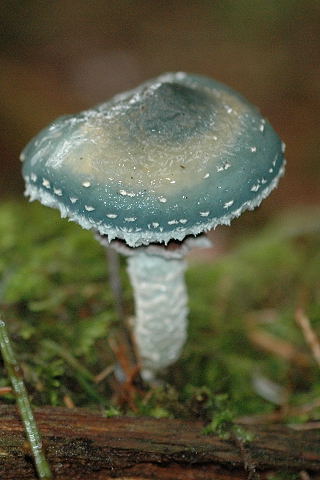
<sup id="fnref:1"><a href="#fn:1" class="footnote" rel="footnote" role="doc-noteref">1</a></sup></p>

<div class="language-plaintext highlighter-rouge"><div class="highlight"><pre class="highlight"><code>The short story "Gambler's World" by Keith LAUMER 
was published by If magazine in 1961.
</code></pre></div></div>

<p />

<!--more-->

<p>Wikipedia diras ke:</p>

<blockquote>
  <p>Dodging assassins, Retief and Magnan enter a gambling hall to find a kingpin gambling with his planet’s future.</p>
</blockquote>

<blockquote>
  <p>Evitante murdistojn, Retief kaj Magan eniras vetludejo por trovi ĉefulon vetludadan kun la estonteco de sia planedo.</p>
</blockquote>

<p><sup id="fnref:3"><a href="#fn:3" class="footnote" rel="footnote" role="doc-noteref">2</a></sup></p>

<h2 id="kontraŭfaŝisma-revoluciuloj">Kontraŭfaŝisma Revoluciuloj</h2>

<p>Survoje ili malkovras revolucion ekkomencante. Illy, la kuiristo, respondas kelkajn demandojn pri ĝi.</p>

<blockquote>
  <p>“Pri kio temas?” demandis Retief.</p>
</blockquote>

<blockquote>
  <p>“La revolucio. Ni transprenas nun.”</p>
</blockquote>

<blockquote>
  <p>“Kiu estas ‘ni’?”</p>
</blockquote>

<blockquote>
  <p>“La Popola Kontraŭfaŝisma Libereco-Ligo.”</p>
</blockquote>

<div class="language-plaintext highlighter-rouge"><div class="highlight"><pre class="highlight"><code>Along the way they discover a revolution about to begin.
Illy, the cook, answers some questions.
</code></pre></div></div>

<blockquote>
  <p>“What’s it all about?” Retief asked.</p>
</blockquote>

<blockquote>
  <p>“The revolution. We’re taking over now.”</p>
</blockquote>

<blockquote>
  <p>“Who’s ‘we’?”</p>
</blockquote>

<blockquote>
  <p>“The People’s Anti-Fascist Freedom League.”</p>
</blockquote>

<p>Sed, la estro de Retief, Magnan, komencas demandi aliajn demandojn. Illy koncedas, ke revolucioj ĉiam baziĝas sur memintereso.</p>

<blockquote>
  <p>“Ĉu vi volas diri, ke vi intencas subpremi la homojn? Sed ili estas via propra grupo”</p>
</blockquote>

<blockquote>
  <p>“Grup’, ŝmup’. Ni prenas ĉiujn ŝancojn; ni faras la laboron. Ni meritas la rekompencon. Ĉu vi pensas, ke ni eldonas bonajn laborojn por la amuzo?”</p>
</blockquote>

<blockquote>
  <p>“Ĉu vi bazas ribelon sur ĉi tiuj cinikaj premisoj?”</p>
</blockquote>

<blockquote>
  <p>“Saĝu… Neniam okazis revolucio pro ia alia kialo.”</p>
</blockquote>

<div class="language-plaintext highlighter-rouge"><div class="highlight"><pre class="highlight"><code>But, Retief's boss, Magnan, starts asking more questions.
Illy admits that revolutions are always based on self-interest.
</code></pre></div></div>

<blockquote>
  <p>“You mean you intend to oppress the people? But they’re your own group.”</p>
</blockquote>

<blockquote>
  <p>“Group, schmoop. We’re taking all the chances; we’re doing the work. We deserve the payoff. You think we’re throwing up good jobs for the fun of it?”</p>
</blockquote>

<blockquote>
  <p>“You’re basing a revolt on these cynical premises?”</p>
</blockquote>

<blockquote>
  <p>“Wise up… There’s never been a revolution for any other reason.”</p>
</blockquote>

<h2 id="plumbo-peza">Plumbo Peza</h2>

<p>Poste, Retief kaj Magnan trovas la kazinon, kaj Retief komencas ludi ludon nomitan “Frap”. <sup id="fnref:4"><a href="#fn:4" class="footnote" rel="footnote" role="doc-noteref">3</a></sup></p>

<blockquote>
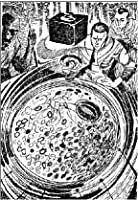
  <p>Estis brako-granda aperturo ĉe talia alteco. Interne estis mantenilo. En la centro pendis du-futa plasta globo kvarono plena de moneroj. Aparato estis muntita ĉe la supro de la skatolo… La viro mansignis kun la kapo al unufuta kubo suspendita per dika kablo. “Ĝi estas rigita fali de tempo al tempo.”</p>
</blockquote>

<blockquote>
  <p>Retief rigardis la masivan metalblokon.</p>
</blockquote>

<blockquote>
  <p>“Tio fuŝus la komercan manon de viro, ĉu ne?”</p>
</blockquote>

<blockquote>
  <p>“La lastaj du ŝerculoj, kiuj estis tro malmultekostaj por nutri la maŝinon, devis forigi ilin. Iliaj brakoj, mi volas diri. Tiu plumbo estas peza aĵo.”</p>
</blockquote>

<p><img src="/assets/laumer/gamblers_world.jpg" alt="image info" /><br />
el GAUGHAN <sup id="fnref:2"><a href="#fn:2" class="footnote" rel="footnote" role="doc-noteref">4</a></sup></p>

<div class="language-plaintext highlighter-rouge"><div class="highlight"><pre class="highlight"><code>Later, Retief and Magnan find the casino, and Retief 
starts playing a game called "Slam".
</code></pre></div></div>

<blockquote>
  <p>There was an arm-sized opening at waist height. Inside was a hand grip.
A two-foot plastic globe a quarter full of chips hung in the center.
Apparatus was mounted at the top of the box…The man motioned with his head toward a one-foot cube suspended by a thick cable. “It’s rigged to drop every now and again.”</p>
</blockquote>

<blockquote>
  <p>Retief looked at the massive block of metal.</p>
</blockquote>

<blockquote>
  <p>“That would mess up a man’s dealing hand, wouldn’t it?”</p>
</blockquote>

<blockquote>
  <p>“The last two jokers who were too cheap to feed the machine had to have ‘em off. Their arms, I mean. That lead’s heavy stuff.”</p>
</blockquote>

<h2 id="vetludeja-ĉefulo">Vetludeja Ĉefulo</h2>

<p>Venkante tiun ludon, Retief ricevas renkontiĝon kun Zorn, la gvidanto de la revolucio. Post iu diskuto, Retief konfesas ion al Zorn.</p>

<blockquote>
  <p>“Estas tempo, ke vi sciu,” diris Retief. “Ne ekzistas pli falsa komerco en la Galaksio ol diplomatio.”</p>
</blockquote>

<div class="language-plaintext highlighter-rouge"><div class="highlight"><pre class="highlight"><code>By winning that game, Retief gets a meeting with Zorn, 
the leader of the revolution. After some discussion, 
Retief admits something to Zorn.
</code></pre></div></div>

<blockquote>
  <p>“It’s time you knew,” Retief said. “There’s no phonier business in the
Galaxy than diplomacy.”</p>
</blockquote>

<h3 id="referencojreferences">referencoj/references</h3>

<div class="footnotes" role="doc-endnotes">
  <ol>
    <li id="fn:1">
      <p>“Gambler’s World” (aka “Palace Revolution”), <strong>If</strong>, November 1961.  <a href="https://www.gutenberg.org/ebooks/21627">Project Gutenberg</a> <a href="#fnref:1" class="reversefootnote" role="doc-backlink">&#8617;</a></p>
    </li>
    <li id="fn:3">
      <p>Jame RETIEF at <a href="https://en.wikipedia.org/wiki/Jame_Retief">Wikipedia</a> <a href="#fnref:3" class="reversefootnote" role="doc-backlink">&#8617;</a></p>
    </li>
    <li id="fn:4">
      <p>“Slam” estas angla vorto kiu ne havas ekzaktan Esperantan ekvivalenton, ĉar ĝi estas uzata en multaj manieroj. Ĉi tie ĝi implicas, ke io falos kun granda forto. (“Slam” is an English word that has no exact Esperanto equivalent, because it is used in many ways. Here it implies that something will fall down with great force.) <a href="#fnref:4" class="reversefootnote" role="doc-backlink">&#8617;</a></p>
    </li>
    <li id="fn:2">
      <p>ilustrita de <a href="https://en.wikipedia.org/wiki/Jack_Gaughan">GAUGHAN</a> <a href="#fnref:2" class="reversefootnote" role="doc-backlink">&#8617;</a></p>
    </li>
  </ol>
</div>]]></content><author><name>Bruce THOMAS</name><email>bruce@ekstelu.info</email></author><category term="EsperantoUSA" /><category term="LAUMER-1961" /><category term="Jame-RETIEF" /><category term="DIPLOMATOJ" /><summary type="html"><![CDATA[La novelo “Gambler’s World” de Keith LAUMER estis eldonita de la revuo If en 1961. 1 The short story "Gambler's World" by Keith LAUMER was published by If magazine in 1961. “Gambler’s World” (aka “Palace Revolution”), If, November 1961. Project Gutenberg &#8617;]]></summary><media:thumbnail xmlns:media="http://search.yahoo.com/mrss/" url="https://ekstelu.info/assets/laumer/gamblers_world.jpg" /><media:content medium="image" url="https://ekstelu.info/assets/laumer/gamblers_world.jpg" xmlns:media="http://search.yahoo.com/mrss/" /></entry><entry xml:lang="eo"><title type="html">Diplomatoj</title><link href="https://ekstelu.info/diplomat/" rel="alternate" type="text/html" title="Diplomatoj" /><published>2023-01-22T20:08:00-08:00</published><updated>2023-01-22T20:08:00-08:00</updated><id>https://ekstelu.info/diplomat</id><content type="html" xml:base="https://ekstelu.info/diplomat/"><![CDATA[<p>Jame RETIEF estas la ĉefrolulo en pluraj satiraj sciencfikciaj rakontoj verkitaj de Keith LAUMER. RETIEF estas heroo, kiu venkas burokratiajn vojbarojn kun rekta, tuja agado kaj multe da bonŝanco. La rezultoj estas ridigaj.</p>

<div class="language-plaintext highlighter-rouge"><div class="highlight"><pre class="highlight"><code>Jame RETIEF is the main character in several satirical
science fiction stories written by Keith LAUMER.
RETIEF is a hero who overcomes bureaucratic
road-blocks with direct, immediate action and
a lot of good luck. The results are hilarious.
</code></pre></div></div>
<p><sup id="fnref:1"><a href="#fn:1" class="footnote" rel="footnote" role="doc-noteref">1</a></sup> <sup id="fnref:2"><a href="#fn:2" class="footnote" rel="footnote" role="doc-noteref">2</a></sup></p>

<p />

<p><img src="/assets/laumer/diplomato.png" alt="image info" /><br />
<!--more--></p>

<p>En “Reteif’s Ransom” de 1971, RETIEF renkontas eksterteranon nomitan Gloot.
Dum RETIEF kaj Gloot laboras kune, Gloot klarigas diplomation
al aliaj roluloj en la rakonto.</p>

<div class="language-plaintext highlighter-rouge"><div class="highlight"><pre class="highlight"><code>In 'Reteif's Ransom' from 1971, RETIEF meets an alien named Gloot.
While RETIEF and Gloot work together, Gloot explains diplomacy
to other characters in the story.
</code></pre></div></div>

<blockquote>
  <p>He only speaks the diplomatic dialect. Everything he says means something else.</p>
</blockquote>

<blockquote>
  <p>Decoding diplomatic conversations is a job for experts–and even they can’t do it.</p>
</blockquote>

<p>Kaj, en Esperanto:</p>

<blockquote>
  <p>Li nur parolas dialekton diplomatan. Ĉion li diras, signifas ion alian.</p>
</blockquote>

<blockquote>
  <p>Malkodi konversaciojn diplomatajn estas laboro de spertuloj–kaj eĉ ili ne povas fari ĝin.</p>
</blockquote>

<p>Jen, pli angla rakontoj temas pri Reteif ĉe Project Gutenberg. <sup id="fnref:3"><a href="#fn:3" class="footnote" rel="footnote" role="doc-noteref">3</a></sup></p>

<div class="language-plaintext highlighter-rouge"><div class="highlight"><pre class="highlight"><code>More Retief stories are available at Project Gutenberg.
</code></pre></div></div>

<h3 id="referencojreferences">referencoj/references</h3>

<div class="footnotes" role="doc-endnotes">
  <ol>
    <li id="fn:1">
      <p>Science Fiction author <a href="https://en.wikipedia.org/wiki/Keith_Laumer">Keith LAUMER</a> <a href="#fnref:1" class="reversefootnote" role="doc-backlink">&#8617;</a></p>
    </li>
    <li id="fn:2">
      <p><a href="https://en.wikipedia.org/wiki/Jame_Retief">Jame Retief</a> <a href="#fnref:2" class="reversefootnote" role="doc-backlink">&#8617;</a></p>
    </li>
    <li id="fn:3">
      <p>Retejo <a href="https://www.gutenberg.org/ebooks/subject/11216">Project Gutenberg</a> <a href="#fnref:3" class="reversefootnote" role="doc-backlink">&#8617;</a></p>
    </li>
  </ol>
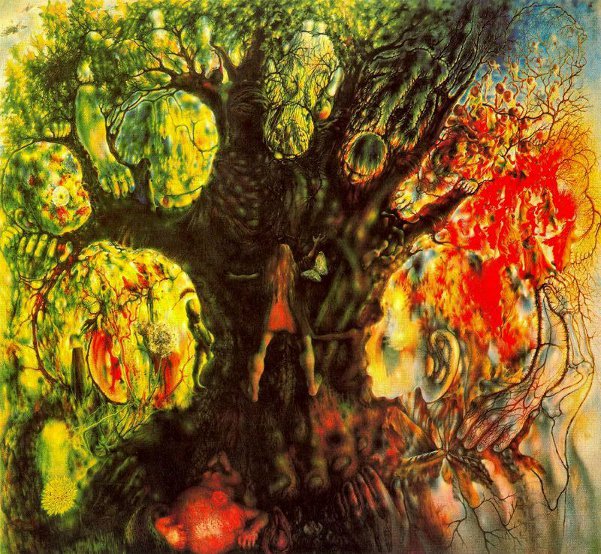
</div>]]></content><author><name>Bruce THOMAS</name><email>bruce@ekstelu.info</email></author><category term="EsperantoUSA" /><category term="LAUMER-1971" /><category term="Jame-RETIEF" /><category term="DIPLOMATOJ" /><summary type="html"><![CDATA[Jame RETIEF estas la ĉefrolulo en pluraj satiraj sciencfikciaj rakontoj verkitaj de Keith LAUMER. RETIEF estas heroo, kiu venkas burokratiajn vojbarojn kun rekta, tuja agado kaj multe da bonŝanco. La rezultoj estas ridigaj. Jame RETIEF is the main character in several satirical science fiction stories written by Keith LAUMER. RETIEF is a hero who overcomes bureaucratic road-blocks with direct, immediate action and a lot of good luck. The results are hilarious. 1 2 Science Fiction author Keith LAUMER &#8617; Jame Retief &#8617;]]></summary><media:thumbnail xmlns:media="http://search.yahoo.com/mrss/" url="https://ekstelu.info/assets/laumer/diplomato.png" /><media:content medium="image" url="https://ekstelu.info/assets/laumer/diplomato.png" xmlns:media="http://search.yahoo.com/mrss/" /></entry><entry xml:lang="eo"><title type="html">hide and seek</title><link href="https://ekstelu.info/hide-seek/" rel="alternate" type="text/html" title="hide and seek" /><published>2020-11-16T12:00:01-08:00</published><updated>2020-11-16T12:00:01-08:00</updated><id>https://ekstelu.info/hide-seek</id><content type="html" xml:base="https://ekstelu.info/hide-seek/"><![CDATA[<p>“Kaŝi kaj Serĉi” estas la angla titolo de grandega kaj mistera pentraĵo de la ruso Pavel TCHELITCHEW.</p>
<div class="language-plaintext highlighter-rouge"><div class="highlight"><pre class="highlight"><code>"Hide and Seek" is the English  
title of an enormous and mysterious  
painting by the Russian Pavel  
TCHELITCHEW.   
</code></pre></div></div>
<p />

<p><img src="/assets/davenport/hide-and-seek.jpg" alt="image info" /><br />
<sup id="fnref:1"><a href="#fn:1" class="footnote" rel="footnote" role="doc-noteref">1</a></sup>
<!--more--></p>
<p />

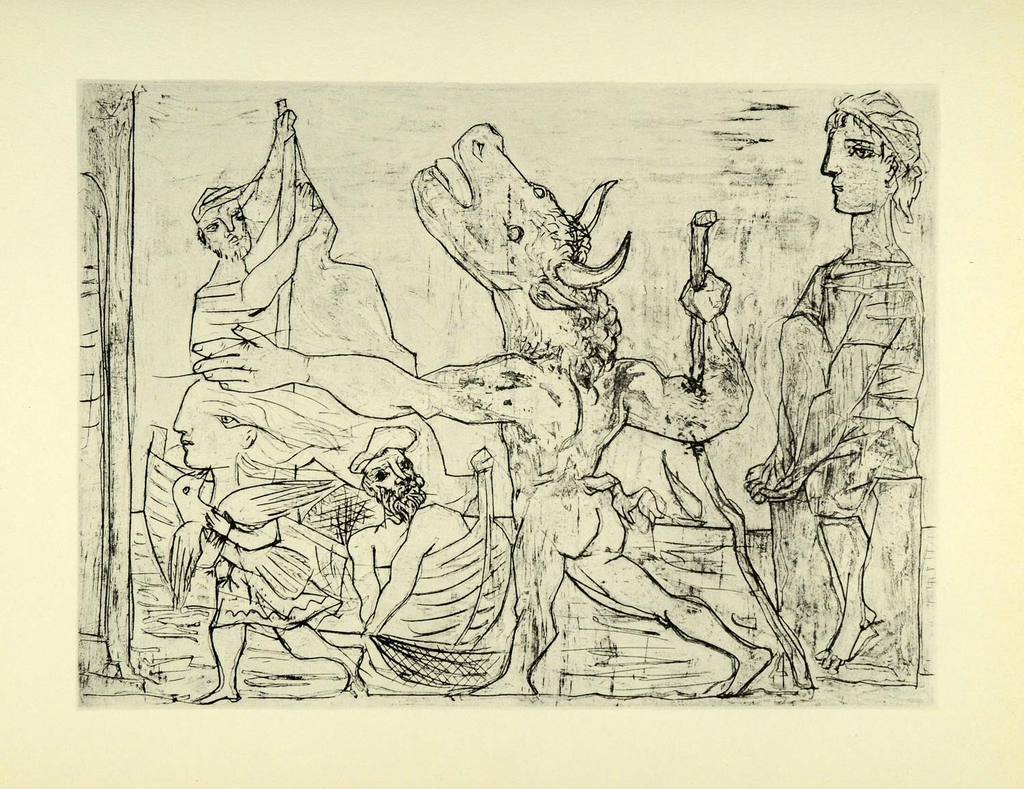
<p>DAVENPORT rakontas al ni, ke la knabino ĉe la centro de ĉi tiu pentraĵo simbolas la saman knabinon skizitan de PICASSO kun kolombo kiel la “sicilia Persefono” kaj blinda Minotaŭro (simbolo por la mondo duone brutala). <sup id="fnref:2"><a href="#fn:2" class="footnote" rel="footnote" role="doc-noteref">2</a></sup></p>
<div class="language-plaintext highlighter-rouge"><div class="highlight"><pre class="highlight"><code>DAVENPORT suggests the girl at the  
center of this painting symbolizes  
the same girl sketched by PICASSO  
with a dove as the 'Sicilian Persephone'  
and a blind Minotaur (a symbol for the  
world half burtal).  
</code></pre></div></div>

<p><img src="/assets/davenport/picasso.jpg" alt="Sicilian Persephone" /></p>

<p>DAVENPORT plu diras ke ĉi tiu “sento de la arkaika”, kaj moderigas “fremdiĝon al tio, kio iam estis plej konata”, kaj profundigas “nian tragikan senton de la mondo.”</p>

<div class="language-plaintext highlighter-rouge"><div class="highlight"><pre class="highlight"><code>DAVENPORT continues by saying this  
"sense of the archaic" both alleviates  
"alienation from what was once most familiar"  
and deepens "our tragic sense of the world."  
</code></pre></div></div>
<p><sup id="fnref:3"><a href="#fn:3" class="footnote" rel="footnote" role="doc-noteref">3</a></sup></p>

<h3 id="referencojreferences">referencoj/references</h3>

<div class="footnotes" role="doc-endnotes">
  <ol>
    <li id="fn:1">
      <p><a href="https://www.moma.org/collection/works/79501">“Hide and Seek”</a> <a href="#fnref:1" class="reversefootnote" role="doc-backlink">&#8617;</a></p>
    </li>
    <li id="fn:2">
      <p>DAVENPORT, Guy. <a href="/verkoj/davenport/geog-imagin/">‘The Geography of the Imagination’</a>, North Point Press, 1981, p. 24-25. <a href="#fnref:2" class="reversefootnote" role="doc-backlink">&#8617;</a></p>
    </li>
    <li id="fn:3">
      <p>DAVENPORT, Guy. ‘Imagination’, p. 27. <a href="#fnref:3" class="reversefootnote" role="doc-backlink">&#8617;</a></p>
    </li>
  </ol>
</div>]]></content><author><name>Bruce THOMAS</name><email>bruce@ekstelu.info</email></author><category term="EsperantoUSA" /><category term="DAVENPORT-1981" /><summary type="html"><![CDATA[“Kaŝi kaj Serĉi” estas la angla titolo de grandega kaj mistera pentraĵo de la ruso Pavel TCHELITCHEW. "Hide and Seek" is the English title of an enormous and mysterious painting by the Russian Pavel TCHELITCHEW. 1 “Hide and Seek” &#8617;]]></summary><media:thumbnail xmlns:media="http://search.yahoo.com/mrss/" url="https://ekstelu.info/assets/davenport/hide-and-seek.jpg" /><media:content medium="image" url="https://ekstelu.info/assets/davenport/hide-and-seek.jpg" xmlns:media="http://search.yahoo.com/mrss/" /></entry><entry xml:lang="en"><title type="html">Poe, Spengler, and Joyce</title><link href="https://ekstelu.info/poe-and-history/" rel="alternate" type="text/html" title="Poe, Spengler, and Joyce" /><published>2020-09-17T13:00:01-07:00</published><updated>2020-09-17T13:00:01-07:00</updated><id>https://ekstelu.info/poe-and-history</id><content type="html" xml:base="https://ekstelu.info/poe-and-history/"><![CDATA[<p>Oswald Spengler wrote in ‘The Decline of the West’ that world cultures occur in three major styles: Apollonian (Graeco-Roman); Faustian (Western-Northern European); and Magian (Asian and Islamic). <sup id="fnref:1"><a href="#fn:1" class="footnote" rel="footnote" role="doc-noteref">1</a></sup></p>

<div class="language-plaintext highlighter-rouge"><div class="highlight"><pre class="highlight"><code>Oswald Spengler skribis en 'La Subiro de la Okcidento',  
ke mondaj kulturoj okazas en tri ĉefaj stiloj:  
 Apolonia (greka-romia);  
 Faŭstiano (okcidente-nordeŭropa);  
 Magiano (azia kaj islama).
</code></pre></div></div>
<p />

<p><img src="/assets/poe/good-wishes.jpg" alt="image info" /><br />
Arabic lamp <sup id="fnref:4"><a href="#fn:4" class="footnote" rel="footnote" role="doc-noteref">2</a></sup>
<!--more--></p>

<p>Guy DAVENPORT in ‘The Geography of the Imagination’ states that these same categories were used by Edgar Allan Poe <sup id="fnref:3"><a href="#fn:3" class="footnote" rel="footnote" role="doc-noteref">3</a></sup> a century before Oswald SPENGLER wrote about them <sup id="fnref:2"><a href="#fn:2" class="footnote" rel="footnote" role="doc-noteref">4</a></sup> or James JOYCE used them in Ulysses. <sup id="fnref:5"><a href="#fn:5" class="footnote" rel="footnote" role="doc-noteref">5</a></sup></p>

<blockquote>
  <p>we can summarize Ulysses…it is<br />
about a man, Leopold Bloom, in a<br />
northern European, a Faustian-<br />
technological context, who is by<br />
heritage a Jew of Spengler’s<br />
Magian culture, who is made to<br />
act out the adventures of Ulysses,<br />
exemplar of classical man.</p>
</blockquote>

<p>Davenport, p. 10.</p>

<div class="language-plaintext highlighter-rouge"><div class="highlight"><pre class="highlight"><code>Guy DAVENPORT en 'La Geografio de la Imago' deklaras,  
ke ĉi tiujn samajn kategoriojn uzis Edgar Allan Poe  
jarcenton antaŭ ol Oswald SPENGLER aŭ James JOYCE  
uzis ilin en Uliso.
</code></pre></div></div>

<blockquote>
  <p>ni povas resumi Uliso …<br />
temas pri viro, Leopold Bloom, <br />
en nordeŭropa, Faŭst-teknologia<br />
kunteksto, kiu estas de heredaĵo<br />
judo de la Magiana kulturo de<br />
Spengler, kiu estas farita al<br />
plenumu la aventurojn de Uliso,<br />
ekzemplero de klasika homo.</p>
</blockquote>

<p>DAVENPORT explains that POE, SPENGLER, JOYCE, and other authors used symbols from these three identifiable categories because they remain “undiminished and still full of human significance” after more than 5,000 years, and because we can trace the origins of them “backward along geographical lines.” They may appear in the present day in forms recognizable to contemporary readers, and “the appeal of popular literature must lie precisely in its faithfulness to ancient traditions.” <sup id="fnref:6"><a href="#fn:6" class="footnote" rel="footnote" role="doc-noteref">6</a></sup></p>

<div class="language-plaintext highlighter-rouge"><div class="highlight"><pre class="highlight"><code>DAVENPORT klarigas, ke POE, SPENGLER, JOYCE  
kaj aliaj aŭtoroj uzis simbolojn de ĉi tiuj  
tri identigeblaj kategorioj, ĉar ili restas  
"nediminuitaj kaj ankoraŭ plenaj de homa signifo"  
post pli ol 5 000 jaroj, kaj ĉar ni povas spuri  
ilian originojn "malantaŭen laŭ geografiaj linioj."  
Ili povas aperi nuntempe en formoj rekoneblaj  
al nuntempaj legantoj, kaj "la allogo de  
populara literaturo devas kuŝi ĝuste en  
sia fideleco al antikvaj tradicioj."  
</code></pre></div></div>

<p>DAVENPORT discusses how POE included all three sources of symbols in his beautiful “To Helen”.  While this “great octosyllabic sonnet…is classical”, the “window-niche…slipped in from Northern Europe; it is Gothic,” and “the closing words, ‘Holy Land,’ belong to the Levant, to the arabesque.” <sup id="fnref:7"><a href="#fn:7" class="footnote" rel="footnote" role="doc-noteref">7</a></sup></p>

<blockquote>
  <p>Helen, thy beauty is to me<br />
Like those Nicean barks of yore<br />
That gently, o’er a perfumed sea,<br />
The weary, way-worn wanderer bore<br />
To his own native shore.</p>
</blockquote>

<blockquote>
  <p>On desperate seas long wont to roam,<br />
Thy hyacinth hair, thy classic face,<br />
Thy Naiad airs have brought me home<br />
To the glory that was Greece,<br />
And the grandeur that was Rome.</p>
</blockquote>

<blockquote>
  <p>Lo, in yon brilliant window-niche<br />
How statue-like I see thee stand,<br />
The agate lamp within thy hand,<br />
Ah! Psyche, from the regions which<br />
Are Holy Land!</p>
</blockquote>

<p>Jen, Esperante:</p>

<blockquote>
  <p>Heleno, beleco via<br />
kiel la prabarkoj Nicaj<br />
sur milda mar’ purfumita,<br />
portis la vaganton lacan<br />
al lia denaska bordon.</p>
</blockquote>

<blockquote>
  <p>Je mar’ vagi furioze,<br />
hiacint-har’, klasik-vizaĝ’,<br />
Najade irigis min hejmen<br />
al glor’ Greka ke estis,<br />
grandiozo kiel Romo.</p>
</blockquote>

<blockquote>
  <p>En tie fenestroniĉo<br />
staras vi kiel statuo,<br />
agato-lampo en mano,<br />
Psiĥo! el regionoj ke<br />
estas Sankta Lando.</p>
</blockquote>

<div class="language-plaintext highlighter-rouge"><div class="highlight"><pre class="highlight"><code>Dum ĉi tiu "bonega oktosilaba soneto...  
estas klasika", la "fenestro-niĉo...  
eniĝis el Norda Eŭropo; ĝi estas gotika",  
kaj" la finaj vortoj, "Sankta Lando"  
apartenas al Levantenio, al la arabesko."

Mi esperas, ke mia Esperanta traduko de  
la fama poemo de Poe reflektas la manieron  
kiel li inkluzivis simbolojn de ĉi tiuj  
tri fontoj. Kion vi pensas?  
</code></pre></div></div>

<p>I hope my Esperanto translation of Poe’s famous poem reflects the way he included symbols from these three sources. What do you think?</p>

<h3 id="referencojreferences">referencoj/references</h3>

<div class="footnotes" role="doc-endnotes">
  <ol>
    <li id="fn:1">
      <p>SPENGLER, Oswald. <a href="https://en.wikipedia.org/wiki/The_Decline_of_the_West">‘The Decline of the West’</a> 1918, 1922. <a href="https://eo.wikipedia.org/wiki/La_Subiro_de_la_Okcidento">Esperante ‘La Subiro de la Okcidento’</a> <a href="#fnref:1" class="reversefootnote" role="doc-backlink">&#8617;</a></p>
    </li>
    <li id="fn:4">
      <p>Lamp (w. Arabic) <a href="https://www.metmuseum.org/art/collection/search/452782">The Met</a> <a href="#fnref:4" class="reversefootnote" role="doc-backlink">&#8617;</a></p>
    </li>
    <li id="fn:3">
      <p>POE, Edgar Allan. <a href="https://en.wikipedia.org/wiki/Tales_of_the_Grotesque_and_Arabesque">‘Tales of the Grotesque and Arabesque’</a> <a href="#fnref:3" class="reversefootnote" role="doc-backlink">&#8617;</a></p>
    </li>
    <li id="fn:2">
      <p>DAVENPORT, Guy. <a href="/verkoj/davenport/geog-imagin/">‘The Geography of the Imagination’</a>, North Point Press, 1981, p. 9-11. Poe’s “imagination appropriated” geographies “from other writers.”/La “imago de Poe alproprigis” geografiojn “de aliaj verkistoj.” <a href="#fnref:2" class="reversefootnote" role="doc-backlink">&#8617;</a></p>
    </li>
    <li id="fn:5">
      <p>JOYCE, James. <a href="https://en.wikipedia.org/wiki/Ulysses_(novel)">‘Ulysses’</a> Esperante: <a href="https://eo.wikipedia.org/wiki/Uliso_(Joyce)">‘Uliso’</a> <a href="#fnref:5" class="reversefootnote" role="doc-backlink">&#8617;</a></p>
    </li>
    <li id="fn:6">
      <p>DAVENPORT, p. 11. <a href="#fnref:6" class="reversefootnote" role="doc-backlink">&#8617;</a></p>
    </li>
    <li id="fn:7">
      <p>DAVENPORT, p. 7. <a href="#fnref:7" class="reversefootnote" role="doc-backlink">&#8617;</a></p>
    </li>
  </ol>
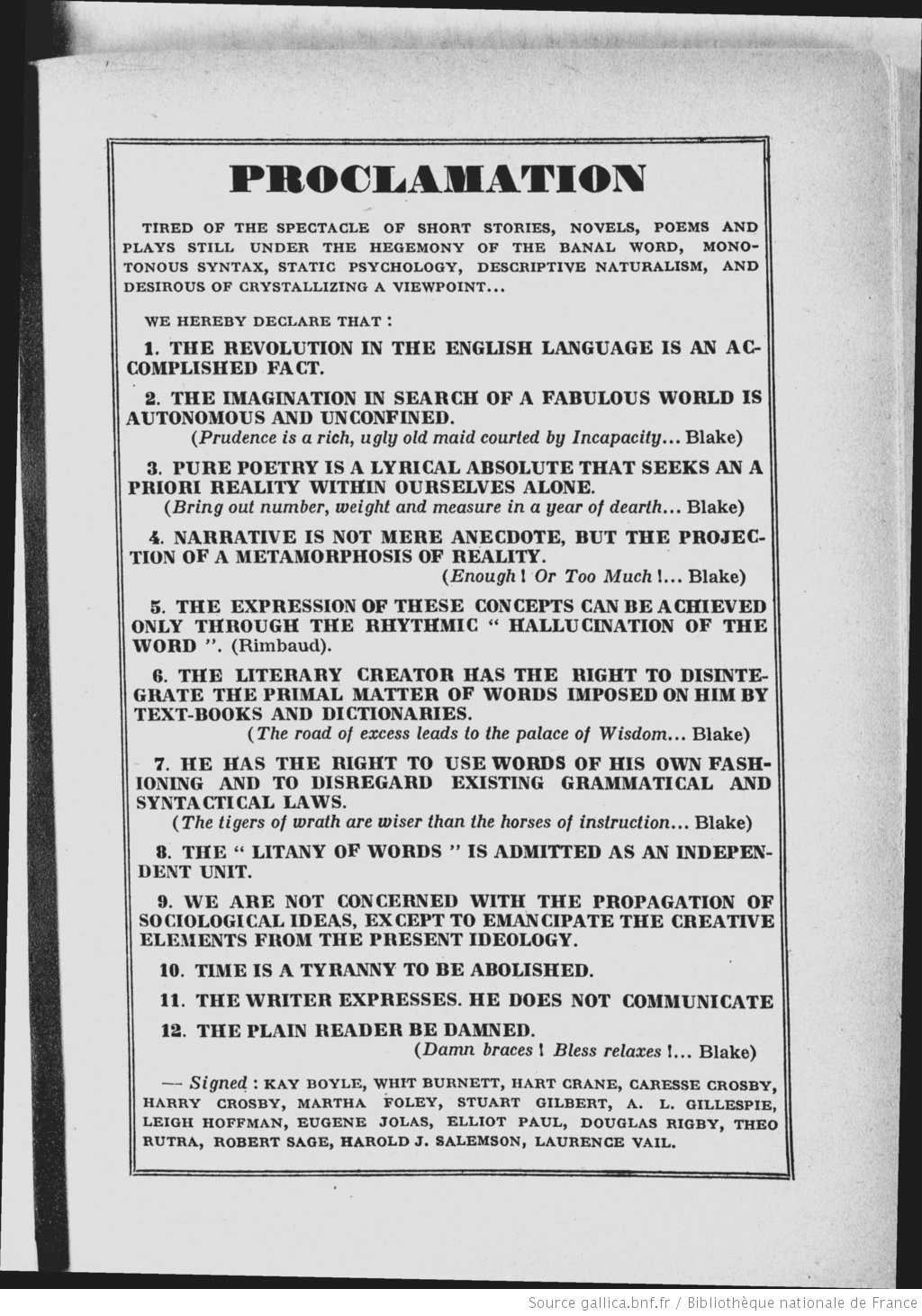
</div>]]></content><author><name>Bruce THOMAS</name><email>bruce@ekstelu.info</email></author><category term="EsperantoUSA" /><category term="DAVENPORT-1981" /><category term="HISTORIO" /><summary type="html"><![CDATA[Oswald Spengler wrote in ‘The Decline of the West’ that world cultures occur in three major styles: Apollonian (Graeco-Roman); Faustian (Western-Northern European); and Magian (Asian and Islamic). 1 Oswald Spengler skribis en 'La Subiro de la Okcidento', ke mondaj kulturoj okazas en tri ĉefaj stiloj: Apolonia (greka-romia); Faŭstiano (okcidente-nordeŭropa); Magiano (azia kaj islama). Arabic lamp 2 SPENGLER, Oswald. ‘The Decline of the West’ 1918, 1922. Esperante ‘La Subiro de la Okcidento’ &#8617; Lamp (w. Arabic) The Met &#8617;]]></summary><media:thumbnail xmlns:media="http://search.yahoo.com/mrss/" url="https://ekstelu.info/assets/poe/good-wishes.jpg" /><media:content medium="image" url="https://ekstelu.info/assets/poe/good-wishes.jpg" xmlns:media="http://search.yahoo.com/mrss/" /></entry><entry xml:lang="eo"><title type="html">Proklamo</title><link href="https://ekstelu.info/proklamo/" rel="alternate" type="text/html" title="Proklamo" /><published>2020-09-14T13:00:01-07:00</published><updated>2020-09-14T13:00:01-07:00</updated><id>https://ekstelu.info/proklamo</id><content type="html" xml:base="https://ekstelu.info/proklamo/"><![CDATA[<p>“Transition” estis literatura revuo <sup id="fnref:1"><a href="#fn:1" class="footnote" rel="footnote" role="doc-noteref">1</a></sup>, kiu publikigis proklamon en junio 1929. <sup id="fnref:2"><a href="#fn:2" class="footnote" rel="footnote" role="doc-noteref">2</a></sup></p>
<div class="language-plaintext highlighter-rouge"><div class="highlight"><pre class="highlight"><code>"Transition" was a literary magazine  
that published a proclamation in June 1929.  
</code></pre></div></div>
<p />

<p><img src="/assets/transition/proklamo.jpeg" alt="image info" /><br />
<!--more--></p>

<p>Jen, la proklamo (angle <sup id="fnref:3"><a href="#fn:3" class="footnote" rel="footnote" role="doc-noteref">3</a></sup>):</p>
<div class="language-plaintext highlighter-rouge"><div class="highlight"><pre class="highlight"><code>Here is the proclamation in English:  
 1. The revolution in the English language  
    is an accomplished fact.  
 2. The imagination in search of a fabulous  
    world is autonomous and unconfined.  
 3. Pure poetry is a lyrical absolute that  
    seeks an a-priori reality within  
    ourselves alone.  
 4. Narrative is not mere anecdote, but the  
    projection of a metamorphosis of reality.  
 5. The expression of these concepts can be  
    achieved only through the rhythmic  
    "hallucination of the word".  
 6. The literary creator has the right to
    disintegrate the primal matter of words  
    imposed on him by textbooks and dictionaries.  
 7. He has the right to use words of his own  
    fashioning and to disregard existing  
    grammatical and syntactical laws.  
 8. The "litany of words" is admitted as  
    an independent unit.  
 9. We are not concerned with the  
    propagation of sociological ideas,  
    except to emancipate the creative  
    elements from the present ideology.  
10. Time is a tyranny to be abolished.  
11. The writer expresses. He does not  
    communicate.  
12. The plain reader be damned.  
</code></pre></div></div>

<p>Kaj nun, esperante:</p>

<ol>
  <li>La revolucio en la angla lingvo estas farita fakto.</li>
  <li>La imago serĉante fabelan mondon estas aŭtonoma kaj nelimigita.</li>
  <li>Pura poezio estas lirika absoluto, kiu serĉas aprioran realon interne je ni mem sole.</li>
  <li>Rakonto ne estas nura anekdoto, sed la projekcio de metamorfozo de realo.</li>
  <li>La esprimo de ĉi tiuj konceptoj atingeblas nur per la ritma “halucino de la vorto”.</li>
  <li>La literatura kreinto rajtas diserigi la praan aferon de vortoj trudita al li de lernolibroj kaj vortaroj.</li>
  <li>Li rajtas uzi proprajn vortojn kaj malatenti ekzistantajn gramatikajn kaj sintaksajn leĝojn.</li>
  <li>La “litanio de vortoj” estas akceptita kiel sendependa unuo.</li>
  <li>Ni ne zorgas pri la disvastigo de sociologiaj ideoj, krom emancipi la kreajn elementojn de la nuna ideologio.</li>
  <li>La tempo estas abolota tiraneco.</li>
  <li>La verkisto esprimas. Li ne komunikas.</li>
  <li>La simpla leganto estu malbenita.</li>
</ol>

<h3 id="referencojreferences">referencoj/references</h3>

<div class="footnotes" role="doc-endnotes">
  <ol>
    <li id="fn:1">
      <p><a href="https://en.wikipedia.org/wiki/Transition_(literary_journal)">Transition</a> literary journal. <a href="#fnref:1" class="reversefootnote" role="doc-backlink">&#8617;</a></p>
    </li>
    <li id="fn:2">
      <p>“The Revolution of the Word Proclamation”, <a href="https://gallica.bnf.fr/ark:/12148/bpt6k6241490w/f18.item">Transition</a> 16/17. <a href="https://jot101ok.blogspot.com/2015/06/revolution-of-word-modernist-manifesto.html">jot101 blog</a> <a href="#fnref:2" class="reversefootnote" role="doc-backlink">&#8617;</a></p>
    </li>
    <li id="fn:3">
      <p><a href="/verkoj/cowley/exiles_return/">COWLEY, Malcolm “Exile’s Return”</a>, 1934 (rev.1951), p.276. <a href="#fnref:3" class="reversefootnote" role="doc-backlink">&#8617;</a></p>
    </li>
  </ol>
</div>]]></content><author><name>Bruce THOMAS</name><email>bruce@ekstelu.info</email></author><category term="EsperantoUSA" /><category term="COWLEY-1934" /><category term="LITERATURO" /><summary type="html"><![CDATA[“Transition” estis literatura revuo 1, kiu publikigis proklamon en junio 1929. 2 "Transition" was a literary magazine that published a proclamation in June 1929. Transition literary journal. &#8617; “The Revolution of the Word Proclamation”, Transition 16/17. jot101 blog &#8617;]]></summary><media:thumbnail xmlns:media="http://search.yahoo.com/mrss/" url="https://ekstelu.info/assets/transition/proklamo.jpeg" /><media:content medium="image" url="https://ekstelu.info/assets/transition/proklamo.jpeg" xmlns:media="http://search.yahoo.com/mrss/" /></entry><entry xml:lang="eo"><title type="html">Amerikangla / Amerenglish</title><link href="https://ekstelu.info/amerengish/" rel="alternate" type="text/html" title="Amerikangla / Amerenglish" /><published>2020-09-10T11:00:01-07:00</published><updated>2020-09-10T11:00:01-07:00</updated><id>https://ekstelu.info/amerengish</id><content type="html" xml:base="https://ekstelu.info/amerengish/"><![CDATA[<p>En sia libro “Exile’s Return”(Reveno de ekziloj), Malcolm COWLEY
indikis, ke Esperanto estas “senkolora”.</p>
<div class="language-plaintext highlighter-rouge"><div class="highlight"><pre class="highlight"><code>In his book "Exile's Return", Malcolm  
COWLEY suggests that Esperanto is  
"colorless".
</code></pre></div></div>
<p />

<p><img src="/assets/cowley/colorless.png" alt="image info" /><br />
<!--more--></p>

<blockquote>
  <p>A definite effort was being made<br />
to destroy all trace of local<br />
idiom or pronunciation and<br />
have us speak “correctly” –<br />
that is, in a standardized<br />
Amerenglish as colorless as<br />
Esperanto.</p>
</blockquote>

<p>Malcolm COWLEY <sup id="fnref:1"><a href="#fn:1" class="footnote" rel="footnote" role="doc-noteref">1</a></sup></p>

<p>Jen esperante,</p>

<blockquote>
  <p>Oni faris definatan penadon<br />
por detrui ĉian spuron de loka<br />
idiomo aŭ elparolo kaj<br />
postulis ke ni parolu <br />
“ĝuste” - tio estas en normala<br />
“Amerikangla” same senkolora <br />
kiel Esperanto.</p>
</blockquote>

<h3 id="nenies-lingvo--no-ones-language">nenies lingvo / no one’s language</h3>
<p>Cowley rimarkis ke dum la jardekoj antaŭ la unua mondmilito, usonaj akademianoj provis elimini “lokajn kaj regionajn strangecojn” de parolado kaj verkado, kaj universitataj studentoj “estis devigitaj uzi lingvon ke ne estis nia propra.” Esence, nenies lingvo.</p>

<div class="language-plaintext highlighter-rouge"><div class="highlight"><pre class="highlight"><code>Cowley noted that during the decades  
before World War I, American academics  
attempted to eradicate “local and  
regional properties” from speech and writing,  
and university students were "forced to use  
language not properly our own."  
Essentially, no one's language.
</code></pre></div></div>
<p>Malcolm COWLEY <sup id="fnref:2"><a href="#fn:2" class="footnote" rel="footnote" role="doc-noteref">2</a></sup></p>

<h3 id="senracia-antaŭjuĝo--unreasonable-bias">senracia antaŭjuĝo / unreasonable bias</h3>
<p>La antaŭjuĝo de Cowley pri Esperanto kaj pri tio, kion li nomas Amerikangla, eble baziĝas sur tio, kion Pierre Janton klarigas, estas politikaj, sociaj kaj psikologiaj kialoj, kial iu artefarita lingvo kiel Esperanto, aŭ homogenigita angla, ŝajnas malhelpi naturan, organikan esprimon de penso.</p>

<div class="language-plaintext highlighter-rouge"><div class="highlight"><pre class="highlight"><code>Cowley's bias against both Esperanto  
and what he calls Amerenglish, may be   
based in what Pierre Janton explains  
are political, social, and psychological  
reasons because any artificial language  
like Esperanto, or a homogenized English,  
seem to prevent natural, organic  
expression of thought.  
</code></pre></div></div>

<blockquote>
  <p>pseudo-rational arguments…<br />
opposed to Esperanto–artificiality,<br />
unnaturalness, cold logicality, lack<br />
of poetry, oddness, and so on–<br />
barely mask their lack of<br />
objectivity.</p>
</blockquote>

<p>Pierre JANTON <sup id="fnref:4"><a href="#fn:4" class="footnote" rel="footnote" role="doc-noteref">3</a></sup></p>

<blockquote>
  <p>pseŭd-raciaj argumentoj …<br />
kontraŭa al Esperanto - artefariteco,<br />
nenatureco, malvarma logikeco, manko<br />
de poezio, strangaĵoj, ktp -<br />
apenaŭ maskas ilian mankon<br />
objektiveco.</p>
</blockquote>

<h3 id="ekstremaj-agoj--extreme-actions">ekstremaj agoj / extreme actions</h3>
<p>Sed Cowley ankaŭ plendis ke Joyce “pasigis tri tagojn” sur unu frazo en “Finnegans Wake”; kaj indikis, ke la “relegio de arto…malsukcesis, kiam ĝi provis…fariĝi sistemo de etiko” kaj ĉi tiuj “ekstremaj kursoj de ago…iri en blindajn stratetojn” ĉar “laŭ ĉi tiu vojeto nenio pli estis trovebla. “</p>

<div class="language-plaintext highlighter-rouge"><div class="highlight"><pre class="highlight"><code>But Cowley also complained about  
Joyce "spending three days" on one  
sentence in Finnegans Wake; and  
suggested that the "relegion of art  
...failed when it tried...  
to become a system of ethics"  
and that these "extreme courses  
of action...led into blind alleys"  
because "along this path there  
was nothing more to be found."  
</code></pre></div></div>
<p>Malcolm COWLEY <sup id="fnref:3"><a href="#fn:3" class="footnote" rel="footnote" role="doc-noteref">4</a></sup></p>

<h3 id="ĉirkaŭaj-sociaj-ekstremoj--surrounding-social-extremes">ĉirkaŭaj sociaj ekstremoj / surrounding social extremes</h3>
<p>Tamen, Cowley ankaŭ agnoskas, ke tiaj ekstremaĵoj en arto kaj kulturo mem estas parto de pli grandaj, ĉirkaŭaj ekstremoj videblaj en la homa socio entute.</p>

<div class="language-plaintext highlighter-rouge"><div class="highlight"><pre class="highlight"><code>Yet, Cowley also admits that such  
extremes in art and culture are  
themselves part of larger, all-  
encompassing extremes visible in   
human society as a whole.  
</code></pre></div></div>

<blockquote>
  <p>Behind the religion of art was<br />
the social system that made it<br />
possible – the system that<br />
encouraged false notions of<br />
success and a mistaken form<br />
of reaction against them;</p>
</blockquote>

<p>Malcolm COWLEY <sup id="fnref:3:1"><a href="#fn:3" class="footnote" rel="footnote" role="doc-noteref">4</a></sup></p>

<blockquote>
  <p>Malantaŭ la arta religio estis<br />
la socia sistemo, kiu ebligis ĝin -<br />
la sistemo, kiu instigis falsajn<br />
nociojn pri sukceso kaj eraran<br />
formon de reago kontraŭ ili;</p>
</blockquote>

<h3 id="longperspektivon--long-range-view">longperspektivon / long-range view</h3>
<p>Tamen COWLEY parolis ĉe aparta punkto en la historio, ĝuste antaŭ la komenco de la Granda Depresio. JANTON anstataŭe donas alian longperspektivan vidon.</p>

<div class="language-plaintext highlighter-rouge"><div class="highlight"><pre class="highlight"><code>However, COWLEY was speaking about  
a particular point in history, just  
before the beginning of the Great  
Depression. JANTON instead provides  
another, longer viewpoint.  
</code></pre></div></div>

<blockquote>
  <p>A century of experience has given<br />
us clear proof that a planned<br />
language can express everything<br />
worthy of expression, provided<br />
that it creates and nurtures<br />
its own spirit.</p>
</blockquote>

<p>Pierre JANTON <sup id="fnref:5"><a href="#fn:5" class="footnote" rel="footnote" role="doc-noteref">5</a></sup></p>

<blockquote>
  <p>Jarcenta sperto donis al ni klaran<br />
pruvon, ke planita lingvo povas<br />
esprimi ĉion esprimindan, kondiĉe<br />
ke ĝi kreas kaj nutras sian<br />
propran spiriton.</p>
</blockquote>

<h3 id="novaj-spiritoj--new-spirits">novaj spiritoj / new spirits</h3>

<blockquote>
  <p>Although many scholars tend to reduce<br />
Esperanto to a mere language and empty<br />
it of all ideological and emotional<br />
implications, it cannot be entirely<br />
separated from the ancient ideal of<br />
a linguistically and spiritually<br />
united humankind.</p>
</blockquote>

<p>Pierre JANTON <sup id="fnref:4:1"><a href="#fn:4" class="footnote" rel="footnote" role="doc-noteref">3</a></sup></p>

<blockquote>
  <p>Kvankam multaj fakuloj emas redukti<br />
Esperanton al nura lingvo kaj malplenigi<br />
ĝin de ĉiuj ideologiaj kaj emociaj implicoj,<br />
ĝi ne povas esti tute apartigita de<br />
la antikva idealo de lingve kaj spirite<br />
unuiĝinta homaro.</p>
</blockquote>

<p>Esperanto jam havas 133 jarojn da literatura historio (1887-2020). Ĝi travivis mondmilitojn, kaj multajn oficialajn provojn detrui ĝin. Pluraj generacioj adaptis ĝin por multaj specoj de esprimo, inkluzive de superrealismo kaj simboleco. Kaj tiel plu.</p>

<p>Geoffrey SUTTON <sup id="fnref:6"><a href="#fn:6" class="footnote" rel="footnote" role="doc-noteref">6</a></sup></p>
<div class="language-plaintext highlighter-rouge"><div class="highlight"><pre class="highlight"><code>Esperanto already has 133 years of literary  
history (1887-2020). It has survived world  
wars, and many official attempts to destroy it.  
Several generations have adapted it for many  
types of expression, including surrealism  
and symbolism. And so on.
</code></pre></div></div>

<p>La esperanta poeto RAGNARSSON estis moderna poeto, kiu verkis la sekvan poemon, por kiu mi provizas anglan tradukon ĉi tie.</p>

<div class="language-plaintext highlighter-rouge"><div class="highlight"><pre class="highlight"><code>The Esperanto poet RAGNARSSON was a modern  
poet who wrote the following poem which I  
provide an English translation for here.  
</code></pre></div></div>

<blockquote>
  <p>XIII</p>

  <p>Vidante neĝon cigni krudosubon<br />
mi sentas flokoflagron tra l’animo,<br />
sur mensovolbo puroŝutan nubon<br />
kaj haltas ĝoje sur la penspavimo;</p>

  <p>regardas kiel kovras mensokoton<br />
kristaloj de eterna bel’ kaj paco,<br />
kaj mi decidas rompi mian troton<br />
por ne makuli puron de l’ surfaco;</p>

  <p>spiritkomplikon benas dolĉa laco.</p>

</blockquote>

<p>Baldur RAGNARSSON <sup id="fnref:7"><a href="#fn:7" class="footnote" rel="footnote" role="doc-noteref">7</a></sup></p>

<blockquote>
  <p>XIII</p>

  <p>See snow drift down like wild swans<br />
through the soul like flickering-flakes,<br />
past mental grasp a pure cloud pours<br />
joyfully I’m stopped in my thoughts;</p>

  <p>watching how mind-mud is covered<br />
by beautiful crystals of peace,<br />
I decide to break my fast pace<br />
so not to stain such a pure place;</p>

  <p>a soul in chaos finds its ease.</p>
</blockquote>

<h3 id="referencojreferences">referencoj/references</h3>

<div class="footnotes" role="doc-endnotes">
  <ol>
    <li id="fn:1">
      <p><a href="/verkoj/cowley/exiles_return/">COWLEY, Malcolm “Exile’s Return”</a>, 1934 (rev.1951), p.28 <a href="#fnref:1" class="reversefootnote" role="doc-backlink">&#8617;</a></p>
    </li>
    <li id="fn:2">
      <p>COWLEY, “Exiles Return”, p. 27-28. <a href="#fnref:2" class="reversefootnote" role="doc-backlink">&#8617;</a></p>
    </li>
    <li id="fn:4">
      <p><a href="/verkoj/janton/esperanto-lang-lit-community/">JANTON. Esperanto</a>, trans. 1993. p. 127. <a href="#fnref:4" class="reversefootnote" role="doc-backlink">&#8617;</a> <a href="#fnref:4:1" class="reversefootnote" role="doc-backlink">&#8617;<sup>2</sup></a></p>
    </li>
    <li id="fn:3">
      <p>COWLEY, “Exiles Return”, p. 286-287. <a href="#fnref:3" class="reversefootnote" role="doc-backlink">&#8617;</a> <a href="#fnref:3:1" class="reversefootnote" role="doc-backlink">&#8617;<sup>2</sup></a></p>
    </li>
    <li id="fn:5">
      <p><a href="/verkoj/janton/esperanto-lang-lit-community/">JANTON. Esperanto</a>, trans. 1993. p. 109. <a href="#fnref:5" class="reversefootnote" role="doc-backlink">&#8617;</a></p>
    </li>
    <li id="fn:6">
      <p><a href="/verkoj/sutton/literature-encyc-eo/">SUTTON, Geoffrey “Concise Encyclopedia of the Original Literature of Esperanto 1887-2007”</a>, 2008. <a href="#fnref:6" class="reversefootnote" role="doc-backlink">&#8617;</a></p>
    </li>
    <li id="fn:7">
      <p>RAGNARSSON, Baldur, <strong>Ŝtupoj sen Nomo</strong> XIII. <a href="/verkoj/sutton/literature-encyc-eo/">SUTTON</a>, Geoffrey “Concise Encyclopedia of the Original Literature of Esperanto 1887-2007”, p. 589. <a href="#fnref:7" class="reversefootnote" role="doc-backlink">&#8617;</a></p>
    </li>
  </ol>
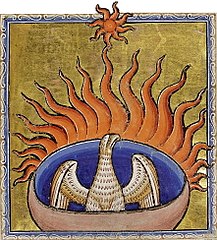
</div>]]></content><author><name>Bruce THOMAS</name><email>bruce@ekstelu.info</email></author><category term="EsperantoUSA" /><category term="COWLEY-1934" /><category term="SUTTON-2008" /><category term="JANTON-1973" /><category term="LITERATURO" /><summary type="html"><![CDATA[En sia libro “Exile’s Return”(Reveno de ekziloj), Malcolm COWLEY indikis, ke Esperanto estas “senkolora”. In his book "Exile's Return", Malcolm COWLEY suggests that Esperanto is "colorless".]]></summary><media:thumbnail xmlns:media="http://search.yahoo.com/mrss/" url="https://ekstelu.info/assets/cowley/colorless.png" /><media:content medium="image" url="https://ekstelu.info/assets/cowley/colorless.png" xmlns:media="http://search.yahoo.com/mrss/" /></entry><entry xml:lang="eo"><title type="html">feniksafino</title><link href="https://ekstelu.info/feniksafino/" rel="alternate" type="text/html" title="feniksafino" /><published>2020-09-03T03:00:01-07:00</published><updated>2020-09-03T03:00:01-07:00</updated><id>https://ekstelu.info/feniksafino</id><content type="html" xml:base="https://ekstelu.info/feniksafino/"><![CDATA[<p>La “pharce” (farso) estas senfina (kiel la ciklo de la fenikso).</p>
<div class="language-plaintext highlighter-rouge"><div class="highlight"><pre class="highlight"><code>The "pharce" (farse) is neverending (like the cycle of the phoenix).
</code></pre></div></div>
<p />

<p><img src="/assets/joyce/wake/fenikso.jpg" alt="image info" /><br />
<sup id="fnref:3"><a href="#fn:3" class="footnote" rel="footnote" role="doc-noteref">1</a></sup>
<!--more--></p>

<blockquote>
  <p>and none so soon either shall the pharce<br />
for the nunce come to a setdown secular<br />
phoenish.</p>
</blockquote>

<p><sup id="fnref:1"><a href="#fn:1" class="footnote" rel="footnote" role="doc-noteref">2</a></sup> <sup id="fnref:2"><a href="#fn:2" class="footnote" rel="footnote" role="doc-noteref">3</a></sup></p>

<p>Kaj, esperante.</p>

<blockquote>
  <p>kaj neniam finiĝos ĉi tia <br />
farso al sekularskribe<br />
feniksa fino.</p>
</blockquote>

<p>Ĉi tio kompletigas la unuajn kvar alineojn. Jen ligo <sup id="fnref:4"><a href="#fn:4" class="footnote" rel="footnote" role="doc-noteref">4</a></sup> al la esperanta traduko ĝis ĉi tiu punkto.  Ĉi tiuj estas konciza resumo de la tuta verko.<sup id="fnref:5"><a href="#fn:5" class="footnote" rel="footnote" role="doc-noteref">5</a></sup>  Senĉesa lukto de la homaro kun si mem, la kondiĉo, kiun ni trovas ĉirkaŭ ni, kaj la festado de tio, kio estis antaŭe, kune kun antaŭĝojo de nekonata estonteco ankoraŭ malvidebla.</p>

<div class="language-plaintext highlighter-rouge"><div class="highlight"><pre class="highlight"><code>This completes the first four paragraphs.   
Here is a link to the Esperanto translation
up to this point. These are a concise  
abstract of the whole story. A neverending  
struggle of humanity with itself, the  
condition we find around us, and the  
celebration of what has gone before,   
along with anticipation of an unknown  
future yet to be seen.  
</code></pre></div></div>

<h3 id="komentojcomments">komentoj/comments</h3>
<p>Bonvolu retpoŝti demandojn kaj komentojn.</p>
<div class="language-plaintext highlighter-rouge"><div class="highlight"><pre class="highlight"><code>Please email questions and comments.
</code></pre></div></div>

<h3 id="referencojreferences">referencoj/references</h3>

<div class="footnotes" role="doc-endnotes">
  <ol>
    <li id="fn:3">
      <p>fenikso <a href="https://eo.wikipedia.org/wiki/Fenikso_(birdo)">https://eo.wikipedia.org/wiki/Fenikso_(birdo)</a> <a href="#fnref:3" class="reversefootnote" role="doc-backlink">&#8617;</a></p>
    </li>
    <li id="fn:1">
      <p><a href="/verkoj/joyce/wake/">Joyce, James, “Finnegans Wake”</a>, 1939, p. 4. <a href="http://finwake.com/01/01.htm#4">http://finwake.com/01/01.htm#4</a> <a href="#fnref:1" class="reversefootnote" role="doc-backlink">&#8617;</a></p>
    </li>
    <li id="fn:2">
      <p>Joyce, James, “Finnegans Wake”, 1939, p. 4. <a href="http://www.finnegansweb.com/wiki/index.php/Page_4">http://www.finnegansweb.com/wiki/index.php/Page_4</a> <a href="#fnref:2" class="reversefootnote" role="doc-backlink">&#8617;</a></p>
    </li>
    <li id="fn:4">
      <p>Mortfesto de Finnegan, <a href="/tradukoj/joyce/wake/ch1-eo/">traduko Esperanta</a> p.3,4 <a href="#fnref:4" class="reversefootnote" role="doc-backlink">&#8617;</a></p>
    </li>
    <li id="fn:5">
      <p>Campbell, <a href="/verkoj/campbell/skeleton-key/">“Skeleton Key”</a> p. 22. <a href="#fnref:5" class="reversefootnote" role="doc-backlink">&#8617;</a></p>
    </li>
  </ol>
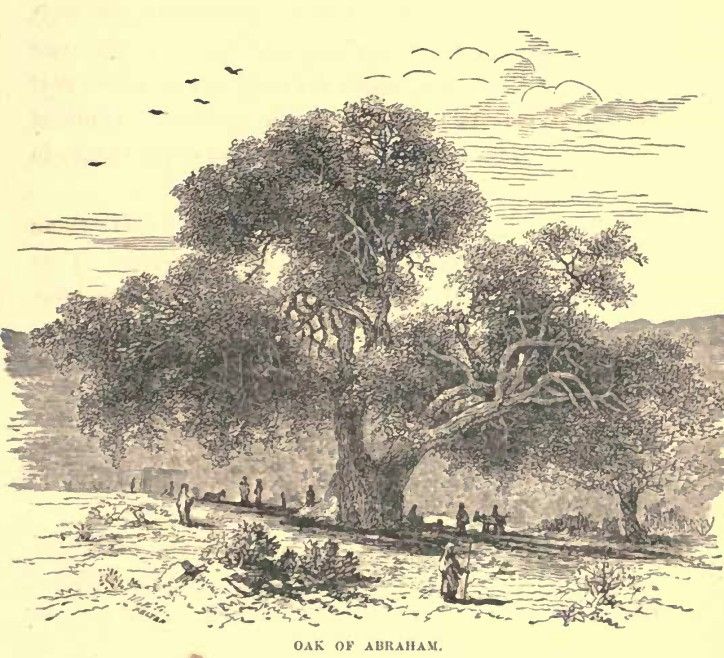
</div>]]></content><author><name>Bruce THOMAS</name><email>bruce@ekstelu.info</email></author><category term="Finnegans Wake" /><category term="Finnegans-Fall" /><category term="CAMPBELL-1944" /><category term="JOYCE-1939(Wake)" /><category term="JOYCE" /><category term="EsperantoUSA" /><category term="LITERATURO" /><summary type="html"><![CDATA[La “pharce” (farso) estas senfina (kiel la ciklo de la fenikso). The "pharce" (farse) is neverending (like the cycle of the phoenix). 1 fenikso https://eo.wikipedia.org/wiki/Fenikso_(birdo) &#8617;]]></summary><media:thumbnail xmlns:media="http://search.yahoo.com/mrss/" url="https://ekstelu.info/assets/joyce/wake/fenikso.jpg" /><media:content medium="image" url="https://ekstelu.info/assets/joyce/wake/fenikso.jpg" xmlns:media="http://search.yahoo.com/mrss/" /></entry><entry xml:lang="eo"><title type="html">where askes lay</title><link href="https://ekstelu.info/where-askes-lay/" rel="alternate" type="text/html" title="where askes lay" /><published>2020-08-23T03:00:01-07:00</published><updated>2020-08-23T03:00:01-07:00</updated><id>https://ekstelu.info/where-askes-lay</id><content type="html" xml:base="https://ekstelu.info/where-askes-lay/"><![CDATA[<p>la alineo finiĝas per ia idilia sceno, kverkoj, kaj ulmoj.</p>
<div class="language-plaintext highlighter-rouge"><div class="highlight"><pre class="highlight"><code>the paragraph ends with a somewhat idyllic scene, oaks, and elms.
</code></pre></div></div>
<p />

<p><img src="/assets/joyce/wake/kverko.jpg" alt="image info" /><br />
Kverko apud Ŝeĥem (Oak at Shechem)</p>
<blockquote>
  <p>Kaj ili donis al Jakob ĉiujn fremdajn diojn,<br />
kiuj estis en iliaj manoj, kaj la ringojn,<br />
kiuj estis en iliaj oreloj; kaj Jakob<br />
enfosis ilin sub la kverko, kiu estis<br />
apud Ŝeĥem.</p>
</blockquote>

<p>Genezo 35:4<br />
<!--more--></p>
<blockquote>
  <p>So they gave Jacob all the foreign gods<br />
they had and the rings in their ears, and<br />
Jacob buried them under the oak at Shechem.</p>
</blockquote>

<p>Genesis 35:4 <sup id="fnref:4"><a href="#fn:4" class="footnote" rel="footnote" role="doc-noteref">1</a></sup></p>

<p>Joyce mencias “kverkojn de aldo (malnova?)”.</p>
<div class="language-plaintext highlighter-rouge"><div class="highlight"><pre class="highlight"><code>Joyce mentions "oaks of ald (old?)".
</code></pre></div></div>

<blockquote>
  <p>But was iz? Iseut? Ere were sewers?<br />
The oaks of ald now they lie in peat<br />
yet elms leap where askes lay.<br />
Phall if you but will, rise you must:</p>
</blockquote>

<p>FW 4:14-16  <sup id="fnref:1"><a href="#fn:1" class="footnote" rel="footnote" role="doc-noteref">2</a></sup> <sup id="fnref:2"><a href="#fn:2" class="footnote" rel="footnote" role="doc-noteref">3</a></sup></p>

<p>Kaj, esperante.</p>

<blockquote>
  <p>Sed estis? Izoldo? Antaŭe kloakoj?<br />
Kverkoj malnovaj nun entorfiĝas dum<br />
ulmoj eksaltas el kie kuŝas trituroj.<br />
Falus’ se vi volus, sed vi devas leviĝi:</p>
</blockquote>

<p>Izoldo <sup id="fnref:3"><a href="#fn:3" class="footnote" rel="footnote" role="doc-noteref">4</a></sup>, trituro/askes <sup id="fnref:5"><a href="#fn:5" class="footnote" rel="footnote" role="doc-noteref">5</a></sup></p>

<h3 id="referencojreferences">referencoj/references</h3>

<div class="footnotes" role="doc-endnotes">
  <ol>
    <li id="fn:4">
      <p>Genezo 35:4 <a href="https://biblehub.com/esp/genesis/35.htm">https://biblehub.com/esp/genesis/35.htm</a> <a href="#fnref:4" class="reversefootnote" role="doc-backlink">&#8617;</a></p>
    </li>
    <li id="fn:1">
      <p><a href="/verkoj/joyce/wake/">Joyce, James, “Finnegans Wake”</a>, 1939, p. 4. <a href="http://finwake.com/01/01.htm#4">http://finwake.com/01/01.htm#4</a> lines 14-16. <a href="#fnref:1" class="reversefootnote" role="doc-backlink">&#8617;</a></p>
    </li>
    <li id="fn:2">
      <p>Joyce, James, “Finnegans Wake”, 1939, p. 4. <a href="http://www.finnegansweb.com/wiki/index.php/Page_4">http://www.finnegansweb.com/wiki/index.php/Page_4</a>  lines 14-16. <a href="#fnref:2" class="reversefootnote" role="doc-backlink">&#8617;</a></p>
    </li>
    <li id="fn:3">
      <p>Izoldo (aŭ Iseult, Isolde, Yseult, ktp.) “estas unu el la du ĉefroluloj de la legendo de Tristan kaj Iseult.” <a href="https://eo.wikipedia.org/wiki/Iseult">https://eo.wikipedia.org/wiki/Iseult</a> <a href="#fnref:3" class="reversefootnote" role="doc-backlink">&#8617;</a></p>
    </li>
    <li id="fn:5">
      <p>Middle English “aske”=”newt” <a href="https://en.wiktionary.org/wiki/aske">https://en.wiktionary.org/wiki/aske</a>,  Esperanto “trituro” <a href="https://eo.wikipedia.org/wiki/Trituro">https://eo.wikipedia.org/wiki/Trituro</a> <a href="#fnref:5" class="reversefootnote" role="doc-backlink">&#8617;</a></p>
    </li>
  </ol>
</div>]]></content><author><name>Bruce THOMAS</name><email>bruce@ekstelu.info</email></author><category term="Finnegans Wake" /><category term="Finnegans-Fall" /><category term="JOYCE-1939(Wake)" /><category term="JOYCE" /><category term="EsperantoUSA" /><category term="LITERATURO" /><summary type="html"><![CDATA[la alineo finiĝas per ia idilia sceno, kverkoj, kaj ulmoj. the paragraph ends with a somewhat idyllic scene, oaks, and elms. Kverko apud Ŝeĥem (Oak at Shechem) Kaj ili donis al Jakob ĉiujn fremdajn diojn, kiuj estis en iliaj manoj, kaj la ringojn, kiuj estis en iliaj oreloj; kaj Jakob enfosis ilin sub la kverko, kiu estis apud Ŝeĥem. Genezo 35:4]]></summary><media:thumbnail xmlns:media="http://search.yahoo.com/mrss/" url="https://ekstelu.info/assets/joyce/wake/kverko.jpg" /><media:content medium="image" url="https://ekstelu.info/assets/joyce/wake/kverko.jpg" xmlns:media="http://search.yahoo.com/mrss/" /></entry><entry xml:lang="eo"><title type="html">Fan-Si-Pan</title><link href="https://ekstelu.info/here-here-2/" rel="alternate" type="text/html" title="Fan-Si-Pan" /><published>2020-08-13T04:00:01-07:00</published><updated>2020-08-13T04:00:01-07:00</updated><id>https://ekstelu.info/here-here-2</id><content type="html" xml:base="https://ekstelu.info/here-here-2/"><![CDATA[<p>Rigardante kelkajn frazojn en ĉi tiu alineo sur paĝo 4 de Finnegans Wake,
ni eblas trovi montnomojn kaŝitajn en la teksto,
kelkaj tre konataj loknomoj, kaj kelkaj ne.</p>
<div class="language-plaintext highlighter-rouge"><div class="highlight"><pre class="highlight"><code>Looking back at a few sentences in this  
paragraph on page 4 of Finnegans Wake,  
we may find mountain names hidden in the text,
some well-known place-names, and some not.
</code></pre></div></div>
<p />

<blockquote>
  <p>the Verdons catapelting the camibalistics<br />
out of the Whoyteboyce of Hoodie Head.</p>
</blockquote>

<p><sup id="fnref:1"><a href="#fn:1" class="footnote" rel="footnote" role="doc-noteref">1</a></sup></p>

<p><img src="/assets/joyce/wake/Howth_Head_by_Dublin.jpg" alt="Howth Head" /><br />
<a href="https://en.wikipedia.org/wiki/Howth_Head">Howth Head (Hoodie Head)</a>
<!--more-->
<img src="/assets/joyce/wake/view_of_Verdun.jpg" alt="Verdun" /><br />
<a href="https://en.wikipedia.org/wiki/Verdun">Verdun (Verdons)</a></p>

<p><img src="/assets/joyce/wake/RockOfCashelSummer1986.jpg" alt="Rock of Cashel" /><br />
<a href="https://en.wikipedia.org/wiki/Rock_of_Cashel">Roko de Caiseal (cashels)</a></p>

<p><img src="/assets/joyce/wake/Mt_of_Olives_1899.jpg" alt="Har ha-Zeitim" /><br />
<a href="https://en.wikipedia.org/wiki/Mount_of_Olives">Har ha-Zeitim, Mount of Olives (bidimetoloves)</a></p>

<blockquote>
  <p>what cashels aired and ventilated!<br />
What bidimetoloves sinduced by<br />
what tegotetabsolvers!</p>
</blockquote>

<p><sup id="fnref:2"><a href="#fn:2" class="footnote" rel="footnote" role="doc-noteref">2</a></sup></p>

<p><img src="/assets/joyce/wake/Tecatecentro.jpg" alt="Tecate" /><br />
<a href="https://en.wikipedia.org/wiki/Tecate">Tecate (tegotetabsolvers)</a></p>

<p>Por aserti, ke Joyce faris ia referenco, kaŝita aŭ evidenta,
al io, ie, aŭ iu, mi provas trovi ambaŭ referencon al
persono, loko, aŭ afero, kiun Joyce eble konis
kaj ian kialon por inkluzivi tian referencon.</p>

<p>Tecate, Meksiko, estas landlima urbo ĵus sude de Kalifornio, Usono en la Duoninsula Montaro ĉirkaŭ 55 kilometrojn oriente de Tijuana, Meksiko. Tecate Peak estas ĝuste trans la limo en Kalifornio.</p>

<p>“Tabsolvers” eble devenas de Calo. La kalo lingvo estas parolata de la Romani hispana kaj portugala : <sup id="fnref:8"><a href="#fn:8" class="footnote" rel="footnote" role="doc-noteref">3</a></sup></p>

<p>‘ta sobelar’ signifas “kiel trankviliĝi”.</p>

<p>Kaj nun, kio estas la sekva monto, kiun ni trovos en Finnegans Wake?</p>

<div class="language-plaintext highlighter-rouge"><div class="highlight"><pre class="highlight"><code>In order to assert that Joyce was making
some kind of reference, vague or obvious,
to something, someplace, or some person,
I try to find both a reference to such
a person, place, or thing that Joyce may
have been able to know, and a reason for
him to include such a reference or name.   

Tecate is a border town just south of  
California, USA in Peninsular Ranges,    
55 kilometers east of Tijuana, Mexico.  
Tecate Peak is just across the border  
in California.

'tabsolvers' may come from Calo.
The Calo language is spoken by the  
Spanish and Portuguese Romani:   
'ta sobelar' means "as if to repose".

And now, what is the next mountain we  
find in Finnegans Wake? Fan-si-pan.
</code></pre></div></div>

<blockquote>
  <p>how hath fanespanned most <br />
high heaven the skysign <br />
of soft advertisement!</p>
</blockquote>

<p><sup id="fnref:3"><a href="#fn:3" class="footnote" rel="footnote" role="doc-noteref">4</a></sup> <sup id="fnref:4"><a href="#fn:4" class="footnote" rel="footnote" role="doc-noteref">5</a></sup></p>

<p><img src="/assets/joyce/wake/fan-si-pan.png" alt="Fan-si-pan" /><br />
<a href="https://en.wikipedia.org/wiki/Fansipan">Fan-si-pan (Fanespanned)</a></p>

<p><a href="https://eo.wikipedia.org/wiki/Phan_Xi_P%C4%83ng">Phan Xi Păng</a>
estas la plej alta punkto en Vjetnamio. Kiel eble Joyce eksciis pri ĉi tiu monto?
Michaud kaj Turner publikigis paperon en 2006, kiu inkluzivas referencon al publikigo el 1924 verkita en la franca, kiu mencias Fan-Si-Pan.</p>

<p><sup id="fnref:5"><a href="#fn:5" class="footnote" rel="footnote" role="doc-noteref">6</a></sup> <sup id="fnref:6"><a href="#fn:6" class="footnote" rel="footnote" role="doc-noteref">7</a></sup></p>

<div class="language-plaintext highlighter-rouge"><div class="highlight"><pre class="highlight"><code>Phan Xi Păng is the highest point in Vietnam.  
How did Joyce find out about this mountain?  
Michaud and Turner published a paper in 2006  
that includes a reference to a 1924 publication  
written in French that mentions Fan-Si-Pan.
</code></pre></div></div>

<p>Kaj kial Joyce mencius ĉi tiun monton? En 1925, franca akademiulo malkovris pli ol 30 pecojn da ŝtono, kiuj estis skulptitaj per diversaj bildoj proksime al ĉi tiu monto..</p>

<p><sup id="fnref:7"><a href="#fn:7" class="footnote" rel="footnote" role="doc-noteref">8</a></sup></p>
<div class="language-plaintext highlighter-rouge"><div class="highlight"><pre class="highlight"><code>And why would Joyce mention this mountain? In 1925,  
a French scholar discovered more than 30 pieces of  
stone that had been sculpted with various images  
near this mountain.  
</code></pre></div></div>

<p>Jen, esperante.</p>

<blockquote>
  <p>iel superarkita plej<br />
alta ĉielo la aŭguro<br />
de mola reklamo!</p>
</blockquote>

<dl>
  <dt>Montoj kaj montetoj provizis al la homaro</dt>
  <dt>plurajn gravajn avantaĝojn tra la historio:</dt>
  <dd>  Loko por konstrui fortikaĵon.</dd>
  <dd>  Loko por enterigi mortintajn familianojn.</dd>
  <dd>  Loko por trovi maloftajn naturajn rimedojn.</dd>
  <dd>  Terlimŝtono por vojtrovado en regiono.</dd>
</dl>

<div class="language-plaintext highlighter-rouge"><div class="highlight"><pre class="highlight"><code>Mountains and hilltops have offered humanity
several important advantages through history:
  A site for building a stronghold.
  A place to bury dead family members.
  A location to find rare natural resources.
  A landmark for wayfinding in a region.

So, Joyce indicates here that his  
subtext may provide similar advantages  
throughout the text of this literary  
puzzle known as Finnegans Wake!  

Reading through the Wake, you will  
find names of historic figures,  
names of places around the globe,  
different types of food and other  
resources, and historic events.  
</code></pre></div></div>

<p>Do, Joyce indikas ĉi tie, ke lia subteksto povas doni similajn avantaĝojn tra la teksto de ĉi tiu literatura enigmo konata kiel “Finnegans Wake!”</p>

<p>Tralegante la “Finnegans Wake”, vi trovos nomojn de historiaj figuroj, nomojn de lokoj ĉirkaŭ la globo, diversajn specojn de manĝaĵoj kaj aliajn rimedoj, kaj historiaj eventoj.</p>

<h3 id="referencojreferences">referencoj/references</h3>

<div class="footnotes" role="doc-endnotes">
  <ol>
    <li id="fn:1">
      <p><a href="/sods-brood-2/">sod’s brood</a> <a href="#fnref:1" class="reversefootnote" role="doc-backlink">&#8617;</a></p>
    </li>
    <li id="fn:2">
      <p><a href="/arms-apeal-2/">arms appeal</a> <a href="#fnref:2" class="reversefootnote" role="doc-backlink">&#8617;</a></p>
    </li>
    <li id="fn:8">
      <p><a href="https://en.wikipedia.org/wiki/Cal%C3%B3_language">Calo</a> <a href="#fnref:8" class="reversefootnote" role="doc-backlink">&#8617;</a></p>
    </li>
    <li id="fn:3">
      <p><a href="/verkoj/joyce/wake/">Joyce, James, “Finnegans Wake”</a>, 1939, p. 4. <a href="http://finwake.com/01/01.htm#4">http://finwake.com/01/01.htm#4</a> <a href="#fnref:3" class="reversefootnote" role="doc-backlink">&#8617;</a></p>
    </li>
    <li id="fn:4">
      <p>Joyce, James, “Finnegans Wake”, 1939, p. 4. <a href="http://www.finnegansweb.com/wiki/index.php/Page_4">http://www.finnegansweb.com/wiki/index.php/Page_4</a> <a href="#fnref:4" class="reversefootnote" role="doc-backlink">&#8617;</a></p>
    </li>
    <li id="fn:5">
      <p>Michaud, J. and S. Turner, <a href="https://www.academia.edu/16643257/Michaud_J_and_S_Turner_2006_Contending_Visions_of_Sa_Pa_A_Hill_Station_in_Viet_Nam_Annals_of_Tourism_Research_33_3_785_808">“Sa Pa, A Hill Station in Vietnam”, 2006</a> <a href="#fnref:5" class="reversefootnote" role="doc-backlink">&#8617;</a></p>
    </li>
    <li id="fn:6">
      <p><a href="https://gallica.bnf.fr/ark:/12148/bpt6k5844449w.texteImage">Livret-Guide de Chapa</a> (Syndicat d’initiative de Chapa 1924) <a href="#fnref:6" class="reversefootnote" role="doc-backlink">&#8617;</a></p>
    </li>
    <li id="fn:7">
      <p><a href="https://whc.unesco.org/en/tentativelists/959/">carved stones/ŝtono skulptitaj</a> <a href="#fnref:7" class="reversefootnote" role="doc-backlink">&#8617;</a></p>
    </li>
  </ol>
</div>]]></content><author><name>Bruce THOMAS</name><email>bruce@ekstelu.info</email></author><category term="JOYCE" /><category term="Wake" /><category term="Finnegans Wake" /><category term="Finnegans-Fall" /><category term="JOYCE-1939(Wake)" /><category term="JOYCE" /><category term="EsperantoUSA" /><category term="LITERATURO" /><summary type="html"><![CDATA[Rigardante kelkajn frazojn en ĉi tiu alineo sur paĝo 4 de Finnegans Wake, ni eblas trovi montnomojn kaŝitajn en la teksto, kelkaj tre konataj loknomoj, kaj kelkaj ne. Looking back at a few sentences in this paragraph on page 4 of Finnegans Wake, we may find mountain names hidden in the text, some well-known place-names, and some not. the Verdons catapelting the camibalistics out of the Whoyteboyce of Hoodie Head. 1 Howth Head (Hoodie Head) sod’s brood &#8617;]]></summary><media:thumbnail xmlns:media="http://search.yahoo.com/mrss/" url="https://ekstelu.info/assets/joyce/wake/Mt_of_Olives_1899.jpg" /><media:content medium="image" url="https://ekstelu.info/assets/joyce/wake/Mt_of_Olives_1899.jpg" xmlns:media="http://search.yahoo.com/mrss/" /></entry></feed>